
MYTHS AND MISTREATMENTS
There are a large number of myths and fairy tales about what causes ASD, and many parents of children with the condition have spent many thousands of dollars doing needless and sometimes harmful procedures in the faint hope that the procedures will cure their child. It is clear, though, that they cause of developmental delay in children is due to two or more deficiencies of the children, whilst in the womb of a deficient mother. Thus, all children have been found to be deficient in vitamin B2, vitamin B12, iron and/or vitamin D. Despite this, people with children with a child with autism appear to be desperate enough to try anything, that has a vague, but non-proven chance of success. This is a very, very costly non-solution to a basic biochemical deficiency.
The major problem with this way of thinking is that it has lead to the major Paradigm of Autism
Autism Paradigm
There is currently no cure for autism. The corollary to the paradigm is that if there really is cure for autism, then leading experts and governments are somehow unaware or it, and hence if there is a major breakthrough in autism treatment it would be International news and everyone would know of it. This can be exemplified by the complete lack of Scientific effort currently underway by many large organizations working in the field of Autism Research Viz: "XYZ does not focus on curing autism, XYZ is more interested in research efforts that will support people on the autism specturm and their families and carers to realize and reach their goals and aspirations". Clearly there will have to be a massive paradigm shift in organizations such as the aforementioned before, would possibly countenance any new scientific research. Even then it is likely, that the individuals involved within the hierarchy of such organizations will have to maintain a status of "cognitive dissonance" in order to justify or validate their previous paradigm. One of the major problems with the Paradigm is that it becomes self-fullfilling in that no-one working on the cause of autism will get public funding, which may explain why up until now significant advancements have not been made in the field. This is despite literally $100 million being spent on research see Donate
It is the object of the current page to dispel some of the more common myths and thereby help to "Save the children".
Nemechek Protocol
The Nemechek protocol, is a protocol that appears to be based on the concept that ASD is caused by inflammation, which "can be seen" by the high levels of the so-called inflammatory markers, KA/QA/HVA/VMA observed in autism. Hence the protocol is based on treating putative bacterial inflammation in the gut, and thereby reducing inflammation, which is postulated to also be occurring in the brain and therefore hindering development. The protocol involves treating with high dose fish oil, olive oil and inulin. The problem with the protocol is the assumption that high levels of KA/QA/HVA/VMA are due to inflammation, however, these are not inflammatory markers, they are markers of vitamin B12 deficiency (see https://b12oils.com/b12.htm ). There are claims that the protocol has some benefit in some children, however, this could be explained by high levels of vitamin K in the olive oil, and also the high levels of vitamin D in Cod-liver oil. The later could be of some benefit as it is known that the majority of children with ASD are vitamin D deficient see https://b12oils.com/vitamind.htm .Normal fish oil does not contain significant amounts of vitamin D.
Cutler Chelation Therapy
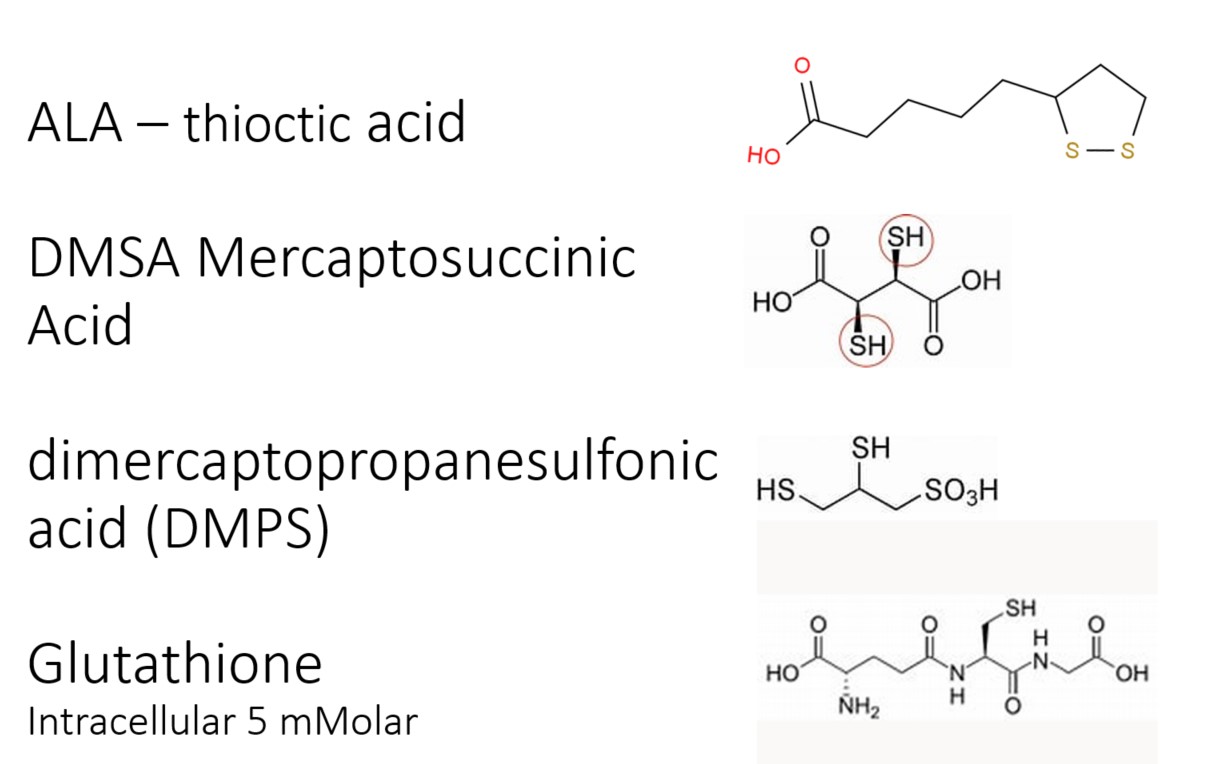
For many years, there was a belief that conditions such as ASD and CFS were caused by heavy metal contamination in the brain, and that people would not make significant progress unless the metals were somehow removed from the brain. The "offending" metal was postulated by Dr Cutler (a physicist who is now dead) to be mercury. Hence the Cutler protocol was "invented". In the protocol, repeated high doses of proposed chelating agents meso-demercaptosuccinic acid (DMSA), dimercaptopropanesulfonic acid (DMPS) and ALA (alphalipoic acid, or thioctic acid). Use of both DMSA and DMPS have been shown to be effective at chelation of Arsenic and Lead following acute exposure, when the material is still circulating in the blood, ie the first 24 hours, but after that it is ineffective. Further, these two chelators are fairly non-specific and so whilst they will chelate lead and arsenic, they also chelate and eliminate essential metals such as chromium, cobalt copper and iron, which are used for physiologic function. Further there is no known method of transport whereby DMSA and/or DMPS can actively target out some yet to be proven or identified deposit of mercury, strip it off any neighbouring protein, and then use some yet to be identified cellular expulsion method to selectively remove only the toxic metals without removing other metals such as zinc, magnesium, calcium, copper, iron, etc. Further, it is known that reagents such as DMSA and DMPS do not enter the brain. The use of ALA is also controversial, hence the sulphur atoms in the structure are disulfide linked and so are not available for chelation, or metal reduction. ALA, is though, an essential co-factor in pyruvate dehydrogenase and in alpha-ketoglutarate dehydrogenase, however, nearly half of the bodies ALA comes from the consumption of meat. HMTA of children with ASD does not indicate levels of mercury any higher than the average population. There has been no substantive evidence of efficacy for the Cutler protocol. HMTA has though revealed many metal deficiencies in ASD, including Calcium, Magnesium, Sodium, Potassium, and critically Iodine, Selenium and Molybdenum. Side effects of the treatment include vomiting, diarrhea, rash, low blood neutrophils.
Toxin Removal
In a similar fashion to the Cutler Chelation Therapy, there are those who believe that heavy metals can be specifically removed by nanosized zeolite-like molecules. In the Advanced Toxin Removal System (Advanced TRS), clinoptilolite zeolite is nanosized and encased in water. The concept being that somehow these tiny particles can travel where ever water can move and magically source out some heavy metal toxin, and just as magically remove it specifically from the body without removing any of the essential metals. This approach is naive at best, and further, HMTA of children with autism does not show any increased concentration of toxic metals over and above those in the local atmosphere. Bentonite clay is also used orally, but as any person who works with small molecules such as vitamins and minerals knows, this is totally non-specific and will leave the recipient even more depleted in essential vitamins and minerals.
Vaccine Injured
There are a group of individuals "Anti-vaxxers" who believe that there is a connection between vaccination and autism, and the concept has arisen that children become vaccine injured, which then causes autism. One of the early theories revolved around the use of thiomersal as a preservative in vaccines. The use of thiomersal has now been discontinued, however the rate of autism has risen from one in one thousand to now one in thirty-forty in the USA, over the past 20 years, yet vaccination rates have remained the same. Potentially vaccines, though, could, and should promote strong immune responses to the vaccinating antigens. The generation of such immune responses is critically dependent upon the activation of phagocytic cells, such as Macrophages. The immune response would then consume large quantities of vitamin B2, iron, vitamin B12 and vitamin D. Given that deficiencies in each of B2, B12, iron and vitamin D have all been shown to be predisposing factors for the development of ASD, any child who was "marginal" in these nutrients could have a negative response to vaccine. For this reason, any person being vaccinated should ensure that they receive adequate intake of vitamin B2 (plus Iodine, Selenium and Molybdenum), vitamin B12, iron and vitamin D, at time of vaccination. This will ensure that the child has a better immune response to the vaccination protocol, and has less chance of being affected by vaccination.
Elevated Propionic Acid
Many of the children with ASD have been found to have elevated propionic acid, and this has been postulated to cause the condition. Propionic acid (CH3-CH2-COOH)(C3H6O2) is a normal metabolite of odd chain fatty acids, and also can come from the deamination of Alanine (CH3CH-NH2-COOH). In functional vitamin B2 deficiency, which every child with ASD that we have data for has, they cannot gain sufficient energy from fats or sugars and so have to gain it from protein breakdown, and so metabolites of amino acids start to appear in the urine, particularly if there are other deficiencies. Normally, propionic acid is processed by the biotin-dependent enzyme Propionyl-CoA carboxylase, but in biotin deficiency, which most of the kids have, particularly if they have been put on a diet low in eggs, they can't do this and so elevated levels of propionic acid can be found. Generally this is accompanied by elevated levels of methylcitrate in the Orgnic Acids Test. Hence biotin replete, neurotypic individuals have methyl citrate of 0.6471 +/- 0.38, whilst in ASD this is increased to 1.37 +/- 0.7724. Many ASD individuals have levels much higher than this with data in the 2.0 to 5.0 not being uncommon. The elevated Methylcitrate and propionic acid resolve upon treatment with 150-300 ug/day biotin. "Propionic acidemia is due to deficient activity of the enzyme propionyl-CoA carboxylase. Because propionyl-CoA requires biotin as a cofactor, disorders of biotin also cause propionic acidemia."
Cerebral Folate Deficiency
The ability of a cell to trap and retain folate is dependent upon the addition of a polyglutamate tail on folate. This tail is "added" once folate enters the folate cycle by the enzyme folylpolyglutamate synthetase (FPGS). In methyl B12 deficiency dietary folate - which is primarily 5MTHF is not processed by methionine synthase and so is not converted to tetrahydrofolate, and so cannot enter the folate cycle to be polyglutaminated. The result is that intracellular folate levels are low, despite the observation that serum folate levels may be high. This has lead to the concept of Cerebral Folate deficiency. Yes, there is a deficiency of folate in most cells in the body, including the brain, but this has arisen due the universal functional vitamin B12 deficiency, observed in ASD. Worryingly, one of the procedures used to establish Cerebral Folate deficiency is the totally unnecessary lumbar puncture of the spine. This technique carries signficant risks including: Damage to a nerve root can cause severe pain, numbness, weakness, and increased sensitivity, Cerebral herniation, in which the brain falls out of the skull and into the spinal canal, Peripheral compartment syndrome, Post-lumbar puncture headache, which occurs in up to 25% of people who have undergone a lumbar puncture due to a leak of fluid into nearby tissues, Back discomfort or pain radiating down the legs, Bleeding at the puncture site, Brainstem herniation. Given that even if cerebral folate is determined, what would be the outcome. Functional vitamin B12 sufficiency would still need to be established. Little to no gain, for a lot of pain and a high risk.
Elevated Glutamate
Production of GABA, an inhibitory neurotransmitter in the body requires the conversion of Glutamate to GABA by the enzyme Glutamic Acid Decarboxylase (GAD). This enzyme requires the active form of vitamin B6, pyridoxal-phosphate as a co-factor. Production of PLP, however, requires one of the two active forms of vitamin B2, FMN. In deficiency of Iodine and/or Selenium, levels of FMN are reduced, resulting in elevated glutamate and reduced GABA, with an altered glutamate/GABA ratio. Treatment should consist of fixing the functional B2 deficiency. Current "mistreatments" include restrictive diets to reduce glutamate intake and the treatment of the GABA deficiency with GABA-agonists such as Baclofen, Zolpidem, Progabide, Gaboxadol, and Gabapentin, amongst others. There is a huge market for these drugs with annual sales over $2 billion. In addition, in what can only be considered as biochemical naivety, the children are place on diets that supposedly are low in Glutamate, BUT, Glutamate is a non-essential amino acid, so even in complete dietary insufficiency the body can make glutamate, as it is not an essential amino acid. Treatment SHOULD involve fixing the functional I/Se deficiency NOT treatment with a GABA agonist. Potentially other conditions such as anxiety disorder, Tourette's syndrome, schizophrenia, which are all treated with these also have the same deficiency, and so would represent other mistreatments.
Elevated Oxalates
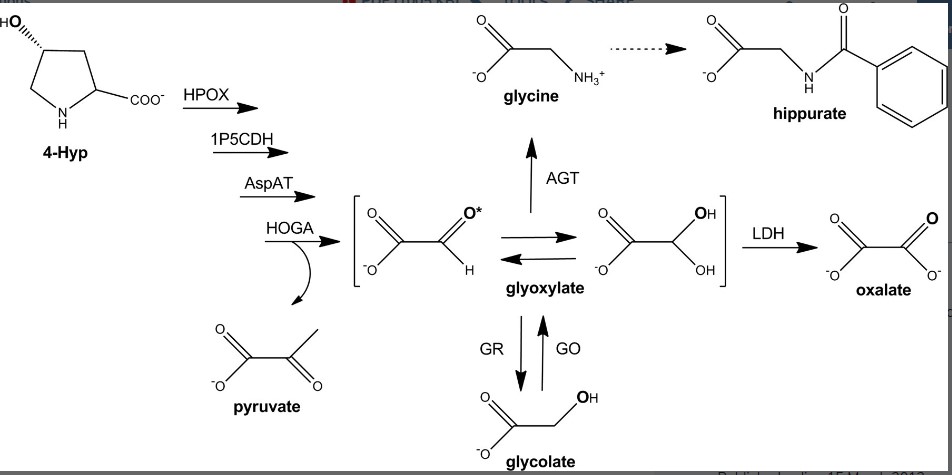
Levels of oxalates can be very high in conditions such as CFS and autism. These high levels of oxalates can cause pain in the joints, and the break-down product ethyl malonic acid has been associated with developmental delay (Di Mio etal, 2017). One of the common myths is that oxalates are derived from the consumption of high oxalate foods, however, elevated oxalates in urine come from the metabolism of glycine, glycolate and hydroxyproline. Normally the oxalate is converted back to glycolic acid, but in functional B2 deficiency, this does not happen.
Jiang etal, 2012
Inflammation in the Brain in Autism
There is a popular theory put forwards by Dr Theoharides and others (Theoharides, et al, 2016; 2013; Alam et al, 2017; Doeyas, 2018; Prata, et al, 2017; Al-Haddad et al, 2019; Wong 2022) that autism is caused by brain inflammation. Examination of publications by these authors does not reveal any convincing data to support the theory, and suggests that this may theory may be wrong (Wong, 2022). Of note is that the elevated neurotransmitter metabolites, HVA, VMA, QA, and KA that occur due to functional B12 deficiency, have often been cited as inflammatory markers with little evidence to support that contention. These metabolites are known to be over-produced in vitamin B12 deficiency (See Russell-Jones, 2023)
MeRT
Magnetic E (for Electroencephalogram/Electrocardiogram) Resonance Treatment, a non-invasive, non-pharmaceutical and personalized form of ineffective neuromodulation. It appears to be based on the principle that autism is due to an inflammatory response in the brain that can be modulated by changing magnetic fields. Another treatment that should have "Quack-watch" Buyer beware. Unbelievably the treatment is covered by the NDIS.
GcMAF therapy and Autism
Following the concept that it is altered immune response in the brain that causes autism, recently GcMAF therapy, which is designed to activate macrophages, with the thought (or lack thereof) that this will overcome the immune dysfunction in autism. The result appears to be similar to that seen in Long COVID, in which hyperferritinemia, typical of Macrophage Activation Syndrome (MAS) (Rosario et al, 2013; Kernan and Carcillo, 2017), is observed and the biochemical markers of vitamin B2 deficiency become elevated and markers of functional iron deficiency such as lowered Haemoglobin, lower Haematocrit and elevated citrate are observed. In addition functional B12 deficiency becomes worse. This has resulted in the treated individuals actually getting worse, which would also be expected considering, what happens in Long COVID, in which there is extensive macrophage activation. This was not mentioned by the company
Autism is due to Genetics
There are many people who believe that autism is due to some genetic predisposition. There is evidence that there are some mutations in those with autism, however closer scrutiny reveals that the condition cannot be predominantly of genetic origin. Hence the incidence of autism has increased from around 1 in 1000, 25 year ago, the incidence has dramatically increased over the past 25 years, and is now 1 to 30 (South Korea) 1 in 35 (in the US) and around one in 40 in Australia (as of 2021). Clearly there is no genetic method of increasing the incidence of a non-lethal mutation in the population by over 200-fold within one generation. Despite this obvious disconnect, many research groups are still labouring to prove a genetic link for the condition. Despite this, several groups are clinging to the concept that autism is due to mutations in the MTHFR gene, and have even developed an MTHFR gene mutation protocol. These protocols appear to be generated with little knowledge of basic genetics by either those peddling the protocol or the poor unsuspecting parent going through with the protocol. Hence, the incidence of the common MTHFR gene mutation C665T by pure genetics should mean that the population as a whole would be 25% "-/-", 50% "+/-", and 25% "-/-", however, due to selection in low dietary folate and functional B2 deficiency, there is a change of ratio in the normal population to 10% "-/-", 37% "+/-", and 40% "-/-". This is almost identical to the observed frequency in the population with autism 8.5% "-/-", 43.6% "+/-", and 47.9% "-/-". Hence, the actual frequency of the "+/+" allele is less in the population with autism, NOT, more.
Autism and Stem Cell Therapy
There are many claims that a deficiency in stem cells in the brains of children with autism is somehow responsible for poor behaviour, anxiety, lack of social skills, ability to focus and poor development of speech. The problem with this theory is that there is very little evidence that stem cell numbers are reduced in the brains of children with autism. Rather the lack of differentiation of the resident stem cells is due to lack of stimulation by functional vitamin D and the functional B12 deficiency, which causes a deficiency of melatonin. Melatonin and vitamin D work together to stimulate the differentiation of neuronal stem cells into oligodendrocytes, that subsequently are involved in the myelination of neuronal cells in the brain. Despite this, many parents have been cajoled into stem cell therapy for their children. Side effects have been reported to be fever, tumour growth, abnormal bone growth, seizures, infection, allergic reaction and immune system rejection have been reported.. In addition there has been no evidence of efficacy of this approach, nor should there be, as the problem is lack of functional B12 and vitamin D.
Treatment of Epilepsy
Several studies have been conducted into the link between autism and epilepsy and have found that the presence of intellectual disability (ID) contributes to the risk factor for children with autism to develop epilepsy. Some of the treatments include the use of GABA agonists or similar to inhibit the behaviour. Unfortunately, the researchers fail to recognize that GABA insufficiency can be expected in Iodine/Selenium deficiency due to the reduced production of FMN and then the reduced activation of vitamin B6, with resultant reduction in production of GABA. Some of the drugs used are highly addictive with strong side effects. Drugs such as Carbamazine have strong side-effects such as balance disorder, dizziness, drowsiness, nausea, vomiting, blurred vision, constipation and dry mouth.
Treatment of Elevated Histamine
Many doctors misdiagnose elevated histamine in the children as being due to Mast Cell Activation syndrome. The children are then put on mast cell inhibitors such as Cromoglycate. This seems to come from a misunderstanding of the poor maturation of the gut, due to the lack of production of melatonin (see melatoninlink).. This then means that the level of DAO, the enzyme that normally inactivates histamine is reduced. Children that appear to be histamine intolerant are then put on highly restrictive diets, which often produce even more deficiencies in the children.
Gluten Free Diets
Gluten-intolerance in the community is relatively rare with an incidence of 0.1 to 1.0%. This intolerance is a feature of those with Coeliac Disease, a condition that rapidly resolves upon removal of gluten. Patients with Coeliac disease can present with gastrointestinal symptoms such as diarrhoea, malabsorption and weight loss. The condition does not cause developmental delay. The incidence of the disease has not changed appreciably over the past 20 years, yet the incidence of ASD has increased from one in 1000 (less than the rate of Celiac disease) to now one in 35 in the US. Confirmation of Coeliac disease is performed by measuring anti-gliadin antibodies. Despite the low incidence of Coeliac Disease the number of people who are now on Gluten-free diets has increased to up to 25% in countries such as the UK, USA and Australia. Many adults claim to "feel" better on a GF diet, and it appears to be the first dietary change that physicians use on children with ASD. This has many disadvantages, firstly, there is no need to avoid gluten-products if you do not have Coeliac disease, but secondly, most commercial breads are now fortified with folate, vitamin B1, and Iodine. This then means that a child who is placed on a gluten-free diet can often suffer these deficiencies as can be seen in OAT analysis and HMTA. Further, since one of the major sources of Gluten-free flour is rice, the children can take in huge quantities of arsenic and lead, which would be "Contra" in a person who is already having developmental issues that would be further affected by lead and arsenic poisoning. Potentially, one of the reasons that persons react to commercial breads, is not actually due to the gluten, but rather to the sulphite used as a preservative in many foods. Sulphite is normally converted to Sulphate in the body by a Molybdenum-dependent enzyme, Sulphite Oxidase, and in Molybdenum deficiency persons get an intolerance to sulphite, which then may lead to diarrhea, gut issues and malabsorption. In house studies have shown that Molybdenum deficiency is very common in children with ASD, with over 45 % of children with ASD having Molybdenum deficiency via HMTA. Molybdenum deficiency is now so common in the community that the range for Molybdenum in HMTA performed by Doctors Data has shifted from 0.05-0.13 ppm in the 1990s, to now being out of range low 0.02-0.05 ppm in 2020, with over 70% of ASD individuals having Mo below 0.07 ppm. Interestingly, although Coeliac disease does not cause developmental delay, several studies have shown that sulphite is neurotoxic and in severe cases can cause neonatal seizures, developmental delay, feeding difficulties, microcephaly, brain atrophy and spasticity (Ergene etal, 2021; Grings etal, 2016; Veldman etal, 2010; Jakubiczka-Smorag,etal 2016) and neuronal loss in the hippocampus (Kocamaz etal, 2012).

Accumulation of arsenic in the hair of an 18 month child (top) exclusively fed on breast-milk from a gluten-free mother ((bottom).

Essential minerals of arsenic in the hair of an 18 month child exclusively fed on breast-milk from a gluten-free mother (top), Mother (bottom).


Note the Selenium and Molybdenum deficiencies of both mother (bottom) and child (top). Arsenic accumulation is common in rice, the main food used in the production of gluten-free flour (Abedin etal, 2002). It also bioaccumulates in milk in areas of high local arsenic contamination (Freire et al, 2022; Salcedo et al, 2022; Bassil et al, 2017). Elevated arsenic levels are a well-known complication/association of gluten-free diets (Punshen and Jacksen, 2018; Carey et al, 2018; Raehsler et al, 2018; Munera-Picazo, et al, 2014; Burlo etal, 2011}. Curiously, despite the known association of arsenic with developmental delay and brain damage, the standard food restriction for children with autism is a gluten-free diet.
Choline Supplementation
Choline, a methylation product is an essential part of the phospholipid, Phosphatidylcholine, an important lipid in the brain, it is also part of the neurotransmitter acetyl-choline. Choline can also be broken down to form betaine, a methyldonor for formation of 5MTHF. Supplementation studies with choline, however have not been shown to be effective in the improving language or cognition (Li et al, 2022; Lebel et al, 2016; Strain et al, 2013). Some effect was seen when an Acetyl-Cholinesterase inhibitor, plus choline was given, however a control with just the ACE-inhibitor was not used (Gabis etal, 2019);
Lactose Intolerance, and Dairy Free Diets
In individuals with a lack of vitamin B12, there is a reduced production of melatonin, due to the lack of SAM to convert serotonin, either produced in the gut or the brain, to melatonin. Gastro-intestinal problems are common in individuals with low vitamin B12, and it is thought that melatonin has a role to play in the maturation of the gut wall. Furthermore, low vitamin B12 is also associated with lack of activity of the enzyme histamine-N-methyl transferase, an enzyme secreted in the gut wall that inactivates histamine, and allows nutritionally normal people to consume foods with large amounts of histamine in them. Since the allergic response to food allergens is the same as that of histamine intolerance it is easy to assume that symptoms such as flushing, urticarial, Rhinoconjunctivitis and rhinorrhea, Headaches, and Digestive tract disturbances: abdominal pain, diarrhea, nausea, vomiting are similar to those from histamine intolerance, many parents assume that these types of symptoms are caused by food allergy, and as such go on highly restrictive diets, such as the GFCF diet. Somewhat illogically they assume that the ASD child will then be cured. Early onset dairy intolerance/cow’s milk allergy is relatively infrequent and occurs in around 2-7% of children, however, the allergy generally resolves within a few years (Turck 2013; Denis etal, 2012). The incidence of cow’s milk allergy was significantly lower in exclusively breast fed children (Chandra and Hamad 1991).There is as yet no evidence that ASD is caused by allergy to cow’s milk or that the use of a diet free of cow’s milk is of benefit in treatment of individuals with ASD (Turck, 2013). In addition, lower intake of milk has been associated with lower adolescent bone mineral density (Blanco etal, 2017). There are also no studies comparing the incidence of cow’s milk allergy in normally developing children and those with autism spectrum disorder. The presence of IgE antibodies in serum of individuals does not necessarily correlate with allergic status, nor skin prick testing, but rather oral challenge is more predictive of allergic status (Chauveau etal, 2016). Usually cow’s milk can be re-introduced after 6 months of exclusion (Denis etal, 2012).
There are considerable logical problems with the adoption of the GFCF diet.
1. The children are known to be deficient in both vitamin B12 and vitamin B2, which arguably causes the perceived symptomology.
2. Placing the children on GFCF diets increases the level of B2 deficiency, and in countries which supplement iodine into cows to produce iodized milk, the children then become iodine deficient. The combined B2/Iodine deficiency causes an even greater deficiency in vitamin B12.
3. Adopting the gluten free diet adds further deficiencies to the mix as now the child becomes vitamin B1 deficient, and often selenium and molybdenum deficient.
4. Removing dairy from the diet then causes calcium deficiency and extremely elevated levels of phosphoric acid are present in the urine, reflecting stripping of the soluble calcium-phosphate pool from the bone, and thereby reducing the bone density of the children.
5. It doesn’t cure autism, but it can take a child who should have been treated with vitamin B2 and vitamin B12, and makes them more B2 and B12 deficient and in addition makes them potentially vitamin B1 deficient, Iodine, Selenium and molybdenum deficient and also calcium deficient. The insult is further exacerbated if the child is also taken off eggs, as this generally will make them biotin deficient.
6. Given that each of the deficiencies can by themselves lead to demyelination of nerves, and given that these deficiencies have also been associated with the development of dementia, it seems almost inconceivable that such treatment is given to the children, yet it is extremely common.
ABA Therapy and SLT
Applied Behavioural Analysis Therapy, is the practice of applying psychological principles of learning theory in a systematic way to modify behaviour. Similar practice is carried out in dementia. Speech and Language Therapy (SLT) is a similar practise. The people who practice it, firstly charge a lot of money, but secondly, they have the belief (both in ASD and Dementia) that somehow you can over-come the metabolic deficiencies that the people have by psychological principles. Given that it is the biochemical deficits, particularly in the altered neuronal signalling, that causes the behavioural and learning problems in ASD, it is not logical to assume that you could "talk, or reason" the condition away. It would be about as effective as talking to a raging bush-fire in order to get it to put itself out!!
PANS/PANDAS and Homeopathy
Another "theory" of autism is that the children have Pediatric autoimmune neuropthychiatric disorders, asssociated with streptoccal infections (PANDAS). The theory is supposed to apply to a subset of children with OCD or TIC disorders. Specifically the theory applies to Group A streptococci, an extremely common pathogen in children, particularly those who repeatedly have sore throats. The theory seems to piggy-back on conditions such as Post Streptococcal nephritis and Post Streptococcal theumatic heart disease and Post Streptococcal glomerulophritis. Of the many problems with the theory is that all children with autism are biochemically the same. They all have functional B2 deficiency and functional B12 deficiency, which alone explains the condition.
Biofeedback
Biofeedback involves trying to retrain the brain of children to function more effectively. The problem with the technique is that it is the biochemical deficiencies in the brain that are the reason for the poor performance of the brains of the children. Fix the Biochemistry and then the children will perform much better. The cost is $50-500 per session, depending upon the insurance cover (which one would question) with 30-50 sessions required. Hence the cost would be $1500 to $25,000. Little wonder that they try to push the technique!! to
Bioresonance
Bioresonance is a classed as a Pseudoscience in which Practitioners claim to be able to detect a variety of conditions, such as autism, and treatment consists of treating autism without drugs by stimulating a change of "bioresonance" in the body. Scientific evaluation has not shown any advance over and above the placebo effect. Once again the issue in Autism is the deficiencies in vitamin B2 and vitamin B12. Such deficiencies cannot be changed by electrical impulses such as are used in Bioresonance
Paradoxical vitamin B12 deficiency
The majority of children who have recently been diagnosed with
ASD have elevated B12, and as such are not deemed to be vitamin B12 deficient.
Hence there is the myth that vitamin B12 deficiency is NOT the cause of ASD.
Metabolic analysis using urinary Organic Acids (OAT) reveals that the children
are actually very deficient in both Adenosyl and particularly Methyl B12, which
is contrary to the elevated serum B12, as such the children have "Paradoxical B12 deficiency".
"Paradoxical B12 deficiency" is particularly common in ASD, CFS, PD and AD. Examples can be seen at
https://b12oils.com/b12.htm
Ergene M, Yarar N, Öncel EP, Sezer T, Çavdarlı B, Ecevit İZ, Aydın Hİ. Severe
isolated sulfide oxidase deficiency with a novel mutation. Turk J Pediatr.
2021;63(4):716-720. doi: 10.24953/turkjped.2021.04.021. PMID: 34449156.
Grings M, Moura AP, Parmeggiani B, Motta MM, Boldrini RM, August PM, Matté C,
Wyse AT, Wajner M, Leipnitz G. Higher susceptibility of cerebral cortex and
striatum to sulfite neurotoxicity in sulfite oxidase-deficient rats. Biochim
Biophys Acta. 2016 Nov;1862(11):2063-2074. doi: 10.1016/j.bbadis.2016.08.007.
Epub 2016 Aug 12. PMID: 27523630.
Veldman A, Santamaria-Araujo JA, Sollazzo S, Pitt J, Gianello R, Yaplito-Lee J,
Wong F, Ramsden CA, Reiss J, Cook I, Fairweather J, Schwarz G. Successful
treatment of molybdenum cofactor deficiency type A with cPMP. Pediatrics. 2010
May;125(5):e1249-54. doi: 10.1542/peds.2009-2192. Epub 2010 Apr 12. PMID:
20385644.
Kocamaz E, Adiguzel E, Er B, Gundogdu G, Kucukatay V. Sulfite leads to neuron
loss in the hippocampus of both normal and SOX-deficient rats. Neurochem Int.
2012 Aug;61(3):341-6. doi: 10.1016/j.neuint.2012.06.010. Epub 2012 Jun 16. PMID:
22709673.
Jakubiczka-Smorag J, Santamaria-Araujo JA, Metz I, Kumar A, Hakroush S, Brueck
W, Schwarz G, Burfeind P, Reiss J, Smorag L. Mouse model for molybdenum cofactor
deficiency type B recapitulates the phenotype observed in molybdenum cofactor
deficient patients. Hum Genet. 2016 Jul;135(7):813-26. doi:
10.1007/s00439-016-1676-4. Epub 2016 May 2. PMID: 27138983.
Theoharides TC, Stewart JM, Panagiotidou S, Melamed I.
Mast cells, brain inflammation and autism. Eur J Pharmacol. 2016 May
5;778:96-102. doi: 10.1016/j.ejphar.2015.03.086. Epub 2015 May 1. PMID:
25941080.
Alam R, Abdolmaleky HM, Zhou JR. Microbiome, inflammation,
epigenetic alterations, and mental diseases. Am J Med Genet B Neuropsychiatr
Genet. 2017 Sep;174(6):651-660. doi: 10.1002/ajmg.b.32567. Epub 2017 Jul 10.
PMID: 28691768.
Doenyas C. Gut Microbiota, Inflammation, and Probiotics on
Neural Development in Autism Spectrum Disorder. Neuroscience. 2018 Mar
15;374:271-286. doi: 10.1016/j.neuroscience.2018.01.060. Epub 2018 Feb 8. PMID:
29427656.
Theoharides TC, Asadi S, Patel AB. Focal brain
inflammation and autism. J Neuroinflammation. 2013 Apr 9;10:46. doi:
10.1186/1742-2094-10-46. PMID: 23570274; PMCID: PMC3626551.
Prata J, Santos SG, Almeida MI, Coelho R, Barbosa MA.
Bridging Autism Spectrum Disorders and Schizophrenia through inflammation and
biomarkers - pre-clinical and clinical investigations. J Neuroinflammation. 2017
Sep 4;14(1):179. doi: 10.1186/s12974-017-0938-y. PMID: 28870209; PMCID:
PMC5584030.
Al-Haddad BJS, Oler E, Armistead B, Elsayed NA, Weinberger
DR, Bernier R, Burd I, Kapur R, Jacobsson B, Wang C, Mysorekar I, Rajagopal L,
Adams Waldorf KM. The fetal origins of mental illness. Am J Obstet Gynecol. 2019
Dec;221(6):549-562. doi: 10.1016/j.ajog.2019.06.013. Epub 2019 Jun 15. PMID:
31207234; PMCID: PMC6889013.
Wong, RSY, 2022. Neuroinflammation in autism spectrum
disorders; potential target for mesenchymal stem cell-based therapy. EJNP, 58-91
Abedin, M. J., Cresser, M. S., Meharg, A. A., Feldmann, J., & Cotter-Howells, J.
(2002). Arsenic accumulation and metabolism in rice (Oryza sativa L.). Environmental
Science & Technology, 36(5),
962–968. https://doi.org/10.1021/es0101678.
Freire C, Iribarne-Durán LM, Gil F, Olmedo P, Serrano-Lopez L, Peña-Caballero M,
Hurtado JA, Alvarado-González NE, Fernández MF, Peinado FM, Artacho-Cordón F,
Olea N. Concentrations and determinants of lead, mercury, cadmium, and arsenic
in pooled donor breast milk in Spain. Int J Hyg Environ Health. 2022
Mar;240:113914. doi: 10.1016/j.ijheh.2021.113914. Epub 2021 Dec 31. PMID:
34974272.
García Salcedo JJ, Roh T, Nava Rivera LE, Betancourt Martínez ND, Carranza
Rosales P, San Miguel Salazar MF, Rivera Guillén MA, Serrano Gallardo LB, Niño
Castañeda MS, Guzmán Delgado NE, Millán Orozco J, Ortega Morales N, Morán
Martínez J. Comparative Biomonitoring of Arsenic Exposure in Mothers and Their
Neonates in Comarca Lagunera, Mexico. Int J Environ Res Public Health. 2022 Dec
4;19(23):16232. doi: 10.3390/ijerph192316232. PMID: 36498305; PMCID: PMC9739351.
Jiang, J, Johnson, LC, Knight J, et al, 2012. Metabolism of
[13C5]hydroxyproline
in vitro and in vivo: implications for primary hyperoxaluria
American Journal of Physiology-Gastrointestinal and Liver Physiology 2012 302:6, G637-G643
Bassil M, Daou F, Hassan H, Yamani O, Kharma JA, Attieh Z, Elaridi J. Lead,
cadmium and arsenic in human milk and their socio-demographic and lifestyle
determinants in Lebanon. Chemosphere. 2018 Jan;191:911-921. doi:
10.1016/j.chemosphere.2017.10.111. Epub 2017 Oct 27. PMID: 29145136.
Punshon T, Jackson BP. Essential micronutrient and toxic trace element
concentrations in gluten containing and gluten-free foods. Food Chem. 2018 Jun
30;252:258-264. doi: 10.1016/j.foodchem.2018.01.120. PMID: 29478539; PMCID:
PMC5830128.
Carey M, Donaldson E, Signes-Pastor AJ, Meharg AA. Dilution of rice with other
gluten free grains to lower inorganic arsenic in foods for young children in
response to European Union regulations provides impetus to setting stricter
standards. PLoS One. 2018 Mar 16;13(3):e0194700. doi:
10.1371/journal.pone.0194700. PMID: 29547635; PMCID: PMC5856424.
Raehsler SL, Choung RS, Marietta EV, Murray JA. Accumulation of Heavy Metals in
People on a Gluten-Free Diet. Clin Gastroenterol Hepatol. 2018
Feb;16(2):244-251. doi: 10.1016/j.cgh.2017.01.034. Epub 2017 Feb 20. PMID:
28223206.
Munera-Picazo S, Ramírez-Gandolfo A, Burló F, Carbonell-Barrachina AA. Inorganic
and total arsenic contents in rice-based foods for children with celiac disease.
J Food Sci. 2014 Jan;79(1):T122-8. doi: 10.1111/1750-3841.12310. Epub 2013 Dec
6. PMID: 24313911.
Di Meo I, Lamperti C, Tiranti V. Ethylmalonic Encephalopathy. 2017 Sep 21. In:
Adam MP, Feldman J, Mirzaa GM, et al., editors. GeneReviews® [Internet]. Seattle
(WA): University of Washington, Seattle; 1993-2024. Available
from: https://www.ncbi.nlm.nih.gov/sites/books/NBK453432/
Li T, Samuel TM, Zhu Z, Howell B, Cho S, Baluyot K, Hazlett H, Elison JT, Wu D,
Hauser J, Sprenger N, Zhu H, Lin W. Joint analyses of human milk fatty acids,
phospholipids, and choline in association with cognition and temperament traits
during the first 6 months of life. Front Nutr. 2022 Aug 24;9:919769. doi:
10.3389/fnut.2022.919769. PMID: 36091236; PMCID: PMC9449418.
Lebel C, MacMaster FP, Dewey D. Brain metabolite levels and language abilities
in preschool children. Brain Behav. 2016 Aug 11;6(10):e00547. doi:
10.1002/brb3.547. Erratum in: Brain Behav. 2016 Dec 19;6(12 ):e00623. PMID:
27781150; PMCID: PMC5064348.
Strain JJ, McSorley EM, van Wijngaarden E, Kobrosly RW, Bonham MP, Mulhern MS,
McAfee AJ, Davidson PW, Shamlaye CF, Henderson J, Watson GE, Thurston SW,
Wallace JM, Ueland PM, Myers GJ. Choline status and neurodevelopmental outcomes
at 5 years of age in the Seychelles Child Development Nutrition Study. Br J Nutr.
2013 Jul 28;110(2):330-6. doi: 10.1017/S0007114512005077. Epub 2013 Jan 9. PMID:
23298754; PMCID: PMC3723412.
Gabis LV, Ben-Hur R, Shefer S, Jokel A, Shalom DB. Improvement of Language in
Children with Autism with Combined Donepezil and Choline Treatment. J Mol
Neurosci. 2019 Oct;69(2):224-234. doi: 10.1007/s12031-019-01351-7. Epub 2019 Jun
22. PMID: 31230222.
Burló F, Ramírez-Gandolfo A, Signes-Pastor AJ, Haris PI, Carbonell-Barrachina
AA. Arsenic contents in Spanish infant rice, pureed infant foods, and rice. J
Food Sci. 2012 Jan;77(1):T15-9. doi: 10.1111/j.1750-3841.2011.02502.x. Epub 2011
Dec 19. PMID: 22181972.
GcMAF
Therapy for Autism | Saisei Immunotherapy Clinics (saisei-mirai.or.jp)
Copyright © 2018 B12 Oils. All Rights Reserved.
References
Reproduction in whole or in part in any form or medium without express written
permission is prohibited