
Nitrous Oxide, vitamin B12 and Autism
Usage of nitrous in labour should be banned.
“Nitrous Oxide in Labour: The Unexamined Use of a Schedule 6 Poison on a Defenceless Foetus During Peak Neurodevelopmental Vulnerability”
Say NO to Nitrous Oxide
-
Nitrous oxide irreversibly inactivates the essential enzyme, methionine synthase
-
Nitrous oxide permanently inactivates methionine synthase in a dose and time dependent fashion.
-
Vitamin B12 loading of the brain increases progressively as the foetus matures, with little more vitamin B12 loading of the brain for the rest of life
-
Use of Nitrous Oxide during labour can result in the formation of toxic, and inactive Co(III)Cobalamin
-
The foetus is particularly susceptible to nitrous oxide due to its high level of methionine synthase activity
-
Reaction of Nitrous oxide with vitamin B12 is more likely in those who are functionally B12 deficient
-
The effect of Nitrous oxide is higher in children with MTHFR +/+ or MTRR +/+ polymorphisms
-
The effect of Nitrous oxide will be higher in Iodine and/or Selenium deficiency
-
Functional Vitamin B12 deficiency due to nitrous oxide administration in the womb is associated with delayed physical and mental development in the neonate.
-
Serum levels of vitamin B12 can be normal or elevated - Paradoxical B12 deficiency
-
Children with Paradoxical B12 deficiency due to Nitrous intoxication, will not respond to MethylCo(III)B12
-
Mounting evidence suggests that depending upon dose, mothers can also be affected by Nitrous Oxide.
-
Data suggests that even after years of supplementation with Adenosylcobalamin and methylcobalamin that it is almost impossible to displace Co(III)-Cbl in the brain.
Vitamin B12 Distribution in the body, a two pool system
Vitamin B12 in the body is distributed in two major pools, (i) the intracephalic area and the (ii) extracephalic area. The intracephalic area (the brain) is loaded in utero and once a baby is born there is almost no exchange of vitamin B12 into or out of the cephalic area. Hence, damage by agents such as Nitrous oxide, leads to permanent and irreversible damage of the brain, which lasts a life time, effectively making it a "dead pool" of B12..
Nitrous Oxide and Birth of the birth of the Child
Pain control during labour, and the birth of the child can be controlled by the use of Nitrous oxide and can be either given ad lib or via the control of an anaesthetist. The use of nitrous oxide during labour has increased from 1% of births in 1980 to up to 50% in 2025.Nitrous oxide, Nitrous oxide has three well‑established psychoactive properties, (i) it alters consciousness and perception, (ii) It produces dissociation, euphoria, and anxiolysis, and (iii) It impairs judgement, coordination, and memory formation. These properties are used to alter the pain threshold of the mother, who is informed that it is "safe and will not harm her unborn child". Nitrous oxide, though, also has another, non-reversible activity, it permanently inactivates one of the most crucial enzymes in the body, methionine synthase. As such it is one of the three causes of vitamin B12 deficiency mediated, developmental delay.

As can be seen from the graphic the mother experiences a high of nitrous oxide, which rapidly decreases as she stops inhaling the nitrous oxide, and the nitrous oxide in blood levaes via the lung clearance. In contrast the foetus tends to act as a residual pool of highly concentrated nitrous, which is not lost by expireation, as the foetus has not means of doing this. As the nitrous oxide anaesthesia progresses there is progressive and accumulating nitrous inactivation of vitamin B12, which is irreversible. This accumulation does not stop until the child is born. Further, just as there is no overt sign of damage, in the mother, following use of nitrous oxide, a child born to a mother using nitrous oxide will appear to be normal.
The concept that autism, or developmental delay can be assessed at birth by the anaesthetist is fanciful at best. Hence, neonatal development ex utero starts once the baby is born, hence it would be impossible to gauge whether the child has been affected by nitrous oxide or not, as there would be no development that would be assessable in the first hour, day or even week after birth. In addition, the assessment of autism, is a behavioural assessment carried out by a trained psychiatrist (under the GSM-5 criteria), and would definitely fall outside the remit, or experience of an anaesthetist, midwife, or attending physician.
The concept that the foetus would not be affected by nitrous is equally as fanciful and is based on the illogical assumption that nitrous oxide can in some way ONLY affect the NMDA receptors of the mother, and in no way affect the interaction of nitrous oxide with Co(I)B12 within methionine synthase, and thereby not affect methionine synthase activity of the foetus. In addition, the effect on the foetus is not only likely to be more than that on the mother, it most assuredly would be. Hence, the duality of nitrous oxide activity would mean that as the mother is receiving pain relief and euphoria from the reaction of nitrous oxide with the NMDA receptor, the foetal methionine synthase would, in a time and dose dependent fashion, be progressively inactivated with every breath of nitrous oxide that the mother takes. In addition, that whilst the nitrous oxide can be expelled rapidly by the lungs of the mother, no such process occurs in the foetus, rather, the accumulated nitrous oxide in the foetus would act as a delayed release depot for transplacentally acquired nitrous oxide, resulting from the mother’s repeated inhalation. .
It is not scientifically defensible to infer long‑term neurodevelopmental safety of foetal nitrous oxide exposure from normal neonatal appearance or short‑term postnatal observations. Autism, developmental delay, and other neurodevelopmental conditions are behavioural diagnoses made months to years after birth using structured criteria and specialist assessment. They cannot be identified in the first hour, day, or even week of life, and their assessment lies entirely outside the remit and expertise of the anaesthetist.
Consequently, reassurance based on a normal neonatal examination provides no meaningful evidence regarding the absence of long‑term neurodevelopmental effects of nitrous oxide exposure in utero.
Equally problematic is the implicit assumption—sometimes stated, sometimes simply presumed—that nitrous oxide can act selectively on maternal NMDA receptors without materially affecting the foetus. This assumption is not supported by basic physiology or biochemistry. Nitrous oxide is a small, inert gas that crosses the placenta freely. The same molecule that produces maternal analgesia and euphoria via NMDA receptor antagonism is also known to irreversibly inactivate methionine synthase by oxidising the Co(I) form of methylcobalamin, and forming NO-Co(III)B12, which totally inactivates methionine synthase..
Foetal methionine synthase activity in the brain is very high, particularly just before birth, and more vulnerable to inhibition than maternal enzyme at the same exposure. Thus, while the mother experiences transient, reversible analgesia as her brain nitrous oxide concentration rises and falls with each inhalation, the foetus is subjected to a cumulative, time‑dependent inactivation of methionine synthase throughout the exposure period.
Although nitrous oxide is rapidly eliminated via the maternal lungs once administration ceases, the foetus has no independent route of excretion. Foetal elimination depends entirely on placental transfer back into the maternal circulation. During ongoing maternal use, this results in a state of continuous fetal exposure, even as maternal brain concentrations fluctuate in a wave‑like pattern.
Taken together, these considerations make it untenable to claim that the foetus is unaffected by nitrous oxide, or that normal short‑term neonatal observations can be taken as evidence of long‑term neurodevelopmental safety. Any assertion to the contrary rests on assumptions that are physiologically implausible and inconsistent with established biochemical mechanisms."
The problem with nitrous oxide though is that it is toxic to the foetus,
1. The foetus is exposed to a psychoactive agent without benefit The mother receives analgesia and altered perception. The foetus receives only biochemical disruption, and the inevitable and continuing inactivation of methionine synthase..
2. The foetus is exposed at a time when psychoactive effects are maximally harmful. During late gestation, the brain is undergoing: (i) neuronal migration, (ii) dendritic arborisation, (iii) synaptic wiring (iv) methylation‑dependent gene regulation
A psychoactive agent that alters neurotransmission or methylation at this stage is not benign.
3. The Schedule 6 classification implicitly recognizes nitrous as both toxic and psychoactive, The warnings required on consumer products explicitly reference: (i) inhalation risks, (ii) neurological effects, (iii) altered mental state (iv) harm to minors
Yet obstetric practice exposes the foetus — a minor — to the same substance that is both toxic and psychoactive at 50% concentration to an adult.
Nitrous oxide has never been properly evaluated for use in pregnancy. Its current use is a historical artefact, not an evidence‑based practice. The Schedule 6 classification now makes this regulatory gap untenable
Do not for one minute believe that the anaesthetic profession has the mother and baby's best interests at heart. If they did they would advise against any use of nitrous oxide.
Vitamin B12 deficiency and Nitrous oxide and anaesthetics.
Methionine synthase binds to MethylCo(III)B12 which subsequently acts as a Methyl Donor to convert Homocysteine to Methionine, and the resultant Co(I)B12 can act as an acceptor for incoming methyl groups such as those on 5-methyltetrahydrofolate.
MethylCo(III)B12 + Homocysteine [Methionine Synthase] <=> Co(I)B12 + Methionine
Co(I)B12 + 5MTHF [Methionine Synthase] <=> MethylCo(III)B12 + THF
During the methylation reaction of
MethylCo(III)B12 + Homocysteine [Methionine Synthase], the product, Co(I)B12 + Methionine is formed. In the absence of 5MTHF, the Co(I)B12 is oxidized to Co(II)B12.This can them be rescued by Methionine Synthase reductase (MTRR) with FMN/FAD/NAD as co-factors. This donor/acceptor function can be dramatically reduced through exposure to nitrous oxide either as an anaesthetic or though inhalation from a "Nang" or "whippit", which can then have disastrous affects on the function of vitamin B12, and its role in methylation. Hence, in the absence of sufficient 5MTHF Co(I)B12 will build up. Co(I)B12 then is reduced to Co(II)B12 and in FMN/FAD absence intracellular Co(I)B12 and Co(II)B12 and can readily react with nitrous oxide to form Co(III)B12, which is inactive, yet will “clog up” methylation by Methionine synthase, and irreversibly inactivate the enzyme, hence explaining the toxicity of nitrous oxide. The Co(III)cobalamin has an extremely long half-life and is resistant to the restorative action of enzymes such as methionine synthase reductase, meaning that the child may be "stuck" with it for life time.Co(I)B12 + Nitrous Oxide <=> NO-Co(III)B12
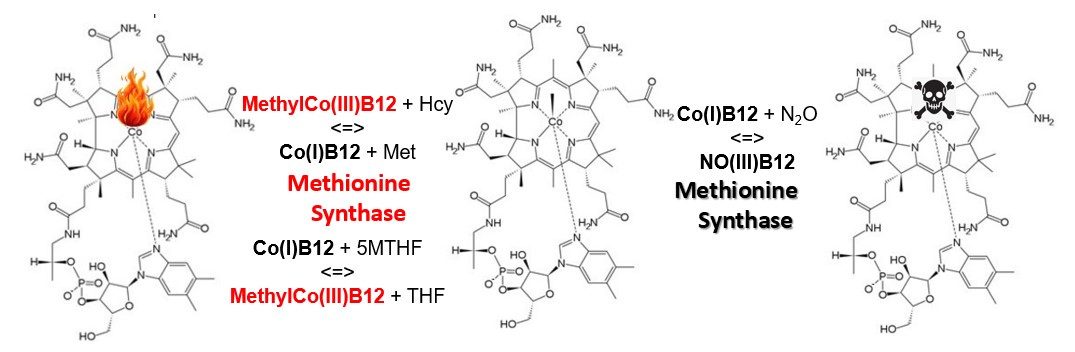
Normally, in the absence of incoming folate, Co(I)B12 is reduced to Co(II)B12 and MethylCo(III)B12 is formed by the action of MTRR and SAM. If this does not occur, methionine synthase releases Co(II)B12 and thereby frees up the binding site for MethylCo(III)B12. The Co(II)B12 then is secreted into serum and so contributes to the elevated serum B12 levels. Unless functional B12 markers, such as MMA and homocysteine are measured it is not possible to tell if the vitamin B12 is functionally active or inactive. Hence Paradoxical B12 deficiency will result. Thus, poisoning with nitrous oxide is very different to functional B12 deficiency due to folate, or functional B2 deficiency, in that whilst Co(II)B12 or Co(I)B12 can be converted to MethylCo(III)B12, thereby restoring activity of the [MethylCo(III)B12-methionine synthase] complex, NO-Co(III)B12 cannot be displaced and thereby regenerate the activity of the enzyme.
Higher levels of Co(I)B12 are present in functional B2 deficiency, such as occurs in Iodine, Selenium and/or Molybdenum deficiency, due to lack of activity of the FAD/NADH-dependent MTHFR enzyme, particularly in those with mutations in the MTHFR protein, or in those with a diet low in folate, thereby making those individuals more susceptible to the action of nitrous oxide. The inactive Co(III)B12 would be indistinguishable from inactive Co(II)B12, and when measured in the current total serum B12 and the inappropriately named active B12 tests, as they do not distinguish which analogue of cobalamin is being measured, cyanocobalamin, hydroxycobalamin, methylcobalamin, adenosylcobalamin, Co(II)cobalamin, Co(I)cobalamin, glutathionyl-Co(III)cobalamin or cysteinyl(III)cobalamin, to name but a few. An indication of the extent of damage that nitrous can do to the nervous system can be gleaned from those who use Nangs, and their devastating neurological consequences. Reports of side-effects include “subacute-onset, progressive distal lower limb sensory symptoms and unsteadiness”, “subacute combined degeneration of the cord”” ataxia and progressive paresis”, depression, development of diseases of the brain, spine and nerves. The severity of these reactions has led the UK government to consider criminalizing the use of Nitrous Oxide. Curiously, this suggestion has not been carried through and currently nitrous oxide is used over 70% of births in the UK Genetically, Nitrous oxide sensitivity should be higher in those with MTRR +/+ mutations, as is found for the following SNPs, MTRRG12099A, MTRRA66G, and in MTHFR mutations A1298C, and rs13306571.
Nitrous oxide inactivation of the enzyme methionine synthase is progressive. Methionine synthase sits at the junction of the methylatino cycle and the folate cycle. Hence, as methionine synthase performs the methylation of homocysteine to form methionine, MethylCo(III)B12[MS] + homocysteine.<=> Co(I)B12l[MS] +methionine, the enzyme also performs the back reaction in which 5MTHF enters the folate cycle as THF. Thus Co(I)B12[MS] + 5MTHF <=> MethylCo(III)B12[MS] + THF. Hence the enzyme has a dual role by not only regenerating methionine, but also by providing access to the folate cycle. This creates more of a problem than is immediately obvious, hence as each methionne synthase enzyme molecule is inactivated, the circulating folate pool within the folate cycle is reduced. The inactivation of methionine synthase then enters a "death spiral", as the supply of 5MTHF to react with Co(I) is further reduced, thus exposing more and more Co(I)Cbl[MS] to the action of nitrous oxide. This is where the foetal brain is particularly susceptible to nitrous oxide, as it has a fixed pool of non-replaceable MethylB12.
N2O irreversibly inactivates methionine synthase in everyone
Nitrous oxide was commonly used as an anaesthetic gas, yet as long ago as 1956 (Lassen et al, 1956) it was realized that the activity of vitamin B12 was destroyed by nitrous oxide use and could cause megaloblastic anemia. In 1968, Banks and co-workers demonstrated that nitrous oxide could react with the cobalt in vitamin B12 and lead to the inactive Co(III)B12 complex. The destruction of the activity of vitamin B12 is dependent upon the time and dose of administration of nitrous, with over 50% of individuals producing signs of megaloblastic depression of bone marrow function (Nunn and Chanarin, 1978). As early as 1978 (Amess et al, 1987) the use of nitrous oxide for anaesthesia was found to be contra-indicated, yet to this day it is still used, and many individuals report signs of B12 deficiency following use. Unbelievably, despite numerous publications showing poor outcomes of nitrous oxide use in pregnancy, and several demonstrating an association between nitrous and autism, and over 200 publications, demonstrating inactivation of vitamin B12 with subsequent sequelae, clinicians in the US, UK and Australia claim "“ Initiation and management of nitrous oxide by registered nurses is a safe and cost-effective option for labor pain.”. In the UK, up to 77% of patients use inhaled nitrous for labour analgesia(See PDF). One of the problems with Nitrous inactivation of vitamin B12 activity is that the levels of B12 in serum still remain high, yet paradoxically the B12 is inactive - as per the discussion on paradoxical vitamin B12 deficiency. Unbelievably, nitrous oxide is still used as an anaesthetic to this day in the USA ,UK and Australia, both on mothers during pregnancy, and also on young children. Evidence suggests that this alone is responsible for many cases of autism (Xin et al, 2024). It has been known for over 40 years that the use of nitrous oxide in anaesthesia (laughing gas) or in recreational abuse, can cause vitamin B12 deficiency (Shah and Murphy, 2019: Tani etal, 2019; Oussalah etal, 2019; Chi, 2018; Stockton etal, 2017; Massey etal, 2016: Garakani etal, 2014; Safari etal, 2013; Chiang etal, 2013; Krajewski etal, 2007; Cohen etal, 2007; Jameson etal, 1999; Smith, 2001: Deleu etal, 2001; Mayall, 1999; Horne and Holloway, 1997: Kinsella and Green 1995; Carmel etal, 1993; Koblin etal,1990; O'Leary etal, 1985; van der Westhuyzen and Metz, 1984; 1982; Lumb etal, 1982; Kondo etal, 1981: Seteinberg etal, 1981; McKenna etal, 1980; Linnell etal, 1978; Deacon etal, 1978). Post surgical complications of the use of Nitrous include peripheral neuropathy (Neuveu etal, 2019: Egan, 2018: Kaski etal, 2017; Richardson 2010), metabolic encephalopathy (Vive etal, 2019), myeloneuropathy (Edigin etal, 2019; Friedlander and Davies, 2018; Alt etal, 2011; Waklawik etal, 2003; Sesso etal, 1999: Nestor and Stark, 1996), neuropathy (Gullestrup etal, 2019; Conaerts etal, 2017:Middleton and Roffers, 2018), pancytopenia (Norris and Mallia, 2019), Myopathy (Williamson etal, 2019), myelopathy (Dong etal, 2019; Mancke etal, 2016; Probasco etal, 2011: Hathout and El-Saden, 2011; Pema et al, 1998), severe neuropsychiatric symptoms (Lundin etal, 2019), combined degeneration of the spinal chord (Lan etal, 2019; Patel etal, 2018; Anderson etal, 2018; Antonucci, 2018; Keddie etal, 2018; El-sadawi etal, 2018; Yuan etal 2017: Buizert etal, 2017; Chen and Huang, 2016; Pugliese etal, 2015: Chaugny etal, 2014; Cheng etal, 2013; Lin etal, 2011; Wijesekera, etal, 2009; Renaud etal, 2009: Wu etal, 2007; Ahn and Brown, 2005 Ilniczky etal, 2003: Beltramello etal, 1998: Rosener and DIchgans, 1996), neurotoxicity (Johnsonn etal, 2018), neuronopathy (Morris etal, 2015), polyneuropathy (Alarcia etal, 1999), psychosis (Sethi et, al, 2006), dementia (El Otmani etal, 2007), ataxia (Miller etal, 2004), megaloblastic anemia (Barbosa etal, 2000), neurological impairment (McNeeely etal, 2000), neurologic decompensation (Felmet etal, 2000), neurologic degeneration (Flippo and Holder, 1993), spastic paraparesis (Lee etal, 1999). Curiously, Nitrous is still recommended by the American Association of Anesthesiologists, NSW Department of Health, and the Association of Anesthesiologists, the New Zealand College of Midwives.. In fact, several countries with high standards of healthcare, such as Canada, Sweden, Australia, Finland, and the United Kingdom, use a blend of 50% oxygen and 50% nitrous oxide to treat pain during labour. Whilst they do not express concerns about potential damage to the newborn, they do, however, express concerns about the potential effect on Global warming, which is of greater concern than the effect on the neonatal brain!! The rational appears to be due to the replacement of epidural medication, with its risk on the spine, with the nitrous oxide. This attitude typifies the medical profession, treat the problem now, worry about the side effects later. We have contacted numerous hospitals, the Royal Children's Hospital Melbourne, Mayo Clinic Kopabirth, NZ College of Midwives, midwife associations, The America Pregnancy Association, Queensland Government, The Royal Australian and New Zealand College of Gynecology ("Excellence in women's health"), Doctors for the Environment and anaesthesiologists expressing our concerns yet not one has "returned our call". Atrocious!! Interestingly, the increase in the use of Nitrous from around 1% of births in 1980, in 2011-2014 when it is was 12% to 35=55% of births in 2024, has paralleled the rise in the rate of autism from <0.1% to now ~ 3%. In response to concerns about health, Dr Vitoria Eley of Queensland Department of Health "Great to see you engaging with the anaesthesia literature"..Queensland Government "Nitrous Oxide : Gas is safe for your baby..." Estimates suggest that if a woman chooses nitrous oxide, she has an 8-10% chance of having a baby who subsequently is diagnosed with autism, and a 25% chance of the child having ADHD or OCD. Use of Nitrous is so frequent that hospitals are using scrubbers to try to remove this greenhouse gas (Khan-Perez et al, 2022). Despite the well known dangers of Nitrous, institutions such as RANZCOG are still recommending the use of Nitrous to pregnant women. The American College of Obstetricians and Gynecologists have disregarded all the publications on the dangers and nitrous and have take the view that have decided that since there are no studies on the use of Nitrous and the neonate, that they will disregard the literature and instead of erring on the side of caution have dispelled the possibility of harm (Home | ACOG). "The use of N2O has increased in labor and delivery units across the United States since 2011. Despite inferior analgesic properties compared to epidural analgesia, N2O offers a safe alternative for many parturients who want a greater sense of control and mobility. Broughton etal, 2020). What is worse is that for many mothers, they receive information in baby classes, taught by nurses that claim nitrous to be safe.
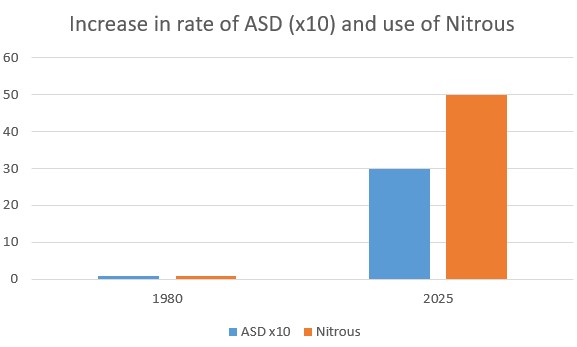
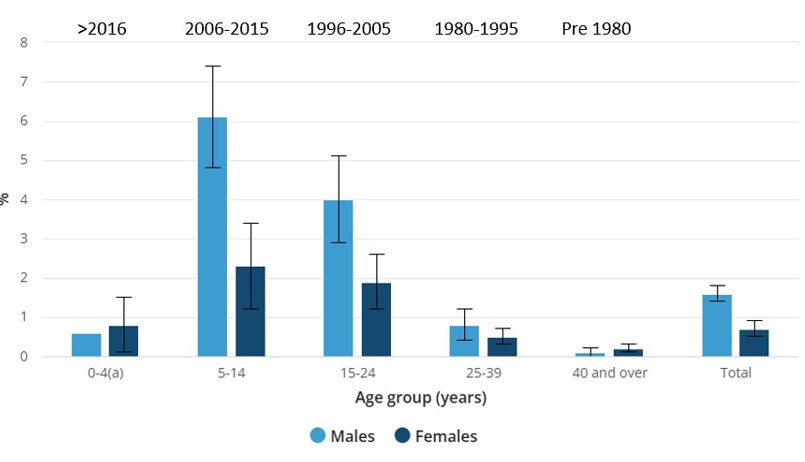
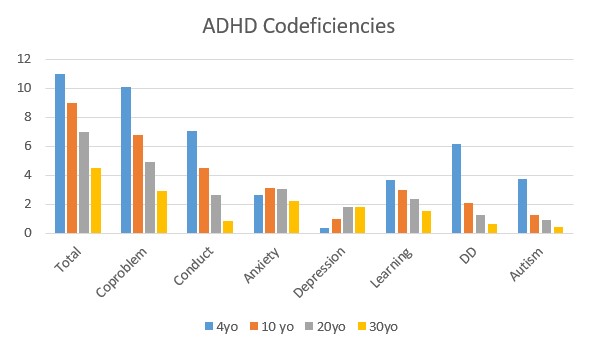
When one examines the age ranges for both ASD and for AD, it is clear that there is some event that occurred, or some change that has occurred, since 1980, that has started the dramatic increase in the rate of autism. All of the children that we have data for who have ASD or ADHD, are functionally deficient in vitamin B12, with normal to elevated serum vitamin B12, and standard markers MMA, HVA, VMA, QA, KA, 5HIAA, pyroglutamic acid and phosphoric acid.
N2O inhibition of methionine synthase is rapid, potent, and irreversible inactivation in all if exposed for long enough, and harmful in a substantial proportion of patients that are not identified before exposure
A Schedule 6 Toxin in the Delivery Suite: Dose‑Dependent Methionine Synthase Inactivation in the Near‑Term Foetal Brain
There are several groups who have shown the deleterious effects of nitrous on the brain. Thus Selzer (2003) demonstrated increased susceptibly of those with MTHFR mutations to Nitrous Oxide, and Kalikiri and co-workers (2004) found a dramatic change in MMA and homocysteine levels in nitrous, as too Baum (2007). The study findings of a mechanistic link between nitric oxide levels and autism spectrum disorder are significant (Jackson, 2023). Prolonged misuse of nitrous oxide for recreational purposes can lead to spinal cord demyelination and loss of the ability to walk, neurologists have warned.
Potential signs of deficiency in folate, or functional B12 would be any orofacial defects such as Cleft palate, tongue tie, difficulty feeding.
The extent of damage to the brain will be dependent upon how long the child was exposed to nitrous oxide, at what stage their development was at, their nutrtional status and genetics. Hence areas of the brain that were most active at the time of exposure are most likely to be affected the most. At time of birth this would be cerebellum, followed after birth by the subcortical areas and then the cerebral cortex. Of note, Human foetal/neonatal and geriatric kinetics of inactivation and reactivation are unknown in any tissue.
N2O is the only inhaled anesthetic that will kill everyone who breathes it at clinical concentrations for 5-7 day
A Schedule 6 Toxin in the Delivery Suite: Direct Fetal Exposure via Maternal Inhalation — the Only Available Biological Delivery Route
The effective of Nitrous will be higher in functional B2 deficiency
Iodine deficiency is extremely common in women during pregnancy with over 50% of women in maternity hospitals in the USA and Australia being Iodine deficient. This in turn creates a functional flavin deficiency, even if dietary riboflavin is adequate. The functional B2 deficiency results in reduced activity of 3 critical enzymes involved in maintenance of methionine synthase activity, SHMT - within the folate cycle, and MTHFR, and MTRR within the methylation cycle. These deficiencies will be further exacerbated by mutations in SHMT, MTHFR and MTRR. Whilst the activity of these enzymes is marginally reduced in the common mutations, the activity of the enzymes is dramatically reduced in co-factor deficiency. Production of GABA, is decreased in Iodine and Selenium deficiency, as Iodine and Selenium are required for conversion of riboflavin to FMN. FMN in turn is required for the activation of vitamin B6 to PLP. PLP is then required by glutamate decarboxylase to make GABA. In I/Se/B2/B6 deficiency levels of GABA are reduced, and levels of glutamate will be increased. This then results in increased pain sensitivity for the mother, which will drive the mother to increased use of nitrous oxide, thereby increasing the chances of NOS induced methionine synthase inactivation in the foetus. Of note, functional B2 deficiency, or the MTRR status of mothers is never tested, nor that of the foetus. Analysis of women entering maternity wards in Boston and in Australia has shown that 50% of them are Iodine deficient. Further the rate of MTRR+/+ is roughly 18%, so around 9% of the babies would be both MTRR+/+ and be Iodine deficient. Given that the use of nitrous oxide is now over 50% in Australia, this would equate to the observed rate of 4% of children who have autism.
Use of Nitrous oxide has been driven by cost, not efficacy or safety
Initially the purpose of nitrous oxide use in labour, was to expand options for pain management by offering nitrous oxide analgesia to women through a process that allows nurses to implement and manage administration, independent from anaesthetist oversight. 2019 Texas “To date, 56% of our patients have used nitrous oxide as an analgesia option at some point between the antepartum and postpartum periods. The response by patients to nitrous oxide administration has been overwhelmingly positive in regard to meeting their expectations for pain management.” Implications for Nursing Practice A nurse-managed policy and procedure allows registered nurses to practice at the top of their licensure and to support the autonomy of their patients without delay; it also helps decrease health care costs by giving patients an expensive, non-invasive option for pain management The long term effect of nitrous oxide on the foetus has never been tested. There have never been follow up studies to look at development of the new-born and the increase in autism from 0.1% to 4% with an increase in nitrous oxide use from 1% to over 50%, appears to have been totally ignored. Despite numerous publications on the toxicity of nitrous oxide, the anaesthetic profession as a whole, the nursing staff and mid-wives have paid little attention. Societies such as the ANZ college of Anaesthetics, and the American Society of Anaesthetists and the Association of anaesthetists of Great Britain and Ireland have all been contacted and have not been able to justify their use of nitrous oxide, and have decided to ignore the findings of over 150 publications on the toxic activity of nitrous oxide. Interestingly, in the Principles of Ethical Practice of Anaesthesiology (American Society of Anaesthesiologits) they quote the AMA Principle of Medical Ethibs "The medical profession has long subscribed to a body of ethical statements developed primarily for the benefit of the patient." Causing irreversible brain damage in the foetus through the use of nitrous oxide in the mother would obviously not fit within this standard. Nor would the current avoidance of the many publications on the toxicity of nitrous oxide fit with the following standard "A physician shall continue to study, apply and advance scientific knowledge, maintain a commitment to medical education, make relevant information available to patients, colleagues and the public, obtain consultation, and use the talents of other health professionals when indicated."
Anaesthetist and Midwives disconnect
Women who chose nitrous oxide have been assured that the use of nitrous oxide will not affect them or their baby. This is in a total disconnect/contrast to the ruling of the Therapeutic Goods Association (TGA) in Australia who have decided that nitrous oxide is a schedule 6 toxin. "Nitrous oxide has been classified as a Schedule 6 poison in Australia, effective from October 2022. This classification is due to rising reports of severe neurological harm linked to its use, including irreversible nerve damage if inhaled. As a Schedule 6 toxin, it requires specific warning labels and safety directions on products, prohibiting sales to individuals under 16 years old. The classification curiously was applied to a new Schedule 10 entry for nitrous oxide when supplied in small bulbs, Further, they added in Appendix F: 112 “WARNING, may cause irreversible nerve damage if inhaled”. and Appendix F: 38 “Do not intentionally inhale contents”. Of note is that the mid-wife is supposed to be present for procedure, and as such aids and abets the delivery of nitrous oxide to the mother, and as such is complicit. Hence, "Careful coaching of the woman and practicing the correct technique is essential for successful use of the self-administered (Schedule 6 toxin) N2O + O2. The midwife should remain with the woman for sufficient time to ensure that she is using the apparatus properly and receiving adequate analgesia". A Schedule 6 toxin , as classified by the TGA, that carries the" WARNING, may cause irreversible nerve damage if inhaled", and the specific instruction "Do not intentionally inhale contents" . Why this is inconsolable practice is allowed is totally irrational, and inexplicable.
Identification of Nitrous oxide intoxication
The fetus inherits finite reserves of vitamin D‑dependent signalling, aconitase activity, mitochondrial complexes, and methylation machinery from the mother. Nitrous oxide exposure acutely damages these systems but does not produce immediate symptoms because the reserves temporarily mask the injury. Over time, as developmental demand increases and reserves erode, neurodevelopmental deficits emerge. The timing and severity depend on the dose of nitrous oxide and the child’s metabolic capacity at the moment of exposure. The absence of visible harm at birth therefore cannot be taken as evidence of safety. The use of Nitrous oxide during labour destroys the very machinary that is required to maintain and build the reserves.
Developmental delay, due to nitrous oxide intoxication is not detectable for months after the birth. Hence, statements, such "As does not harm the baby" have little to no verification. Whilst there is a scintilla of evidence about brain damage with nitrous oxide it would not be prudent to continue the practise, particularly since the association of increased use of nitrous parallels the increased rate of autism.
Deleterious consequences of nitrous are long-lasting, not “short acting”
Symptoms include Complete Regression into autism, T
he loss of developmental skills such as: Expressive and receptive language, Gross motor skills, Fine motor skills, reduced Cognitive skills, Overall neurological deterioration (skill loss may be permanent in some children). Examination of serum B12 will reveal normal to elevated serum B12, BUT, metabolic analysis by urinary OAT, or serum MMA and/or homocysteine, will reveal higher than normal levels, which are indicative of Paradoxical B12 deficiency (https://b12oils.com/paradoxical.htm ).Standard modes of identificaion of absolute vitamin B12 deficiency will miss paradoxical B12 deficiency. The so-called ACTIVE B12 test, a complete and utter waste of money, will generate a false result, as the transcobalamin will have inactive B12 in its binding site, and so come up as positive in the in appropriately named active B12 test.Nitrous oxide intoxication and the mother
Evidence is mounting that whilst the mother may not show signs of nitrous intoxication at the time of birth, many show evidence of vitamin B12 deficiency later, with serum levels of vitamin B12 being raised. In these individuals markers of methyl B12 deficiency would be elevated homocysteine, as well as HVA, VMA, QA, KA, 5HIAA, pyroglutamic acid and phosphoric acid. Whilst the levels may be lower than in the child, the levels will persist and are unable to be changed by repeated high dosages of vitamin B12. Further, there is evidence that the inactive Co(III)B12 may then be used to load the brain of subsequent children, who will then show signs of B12 deficiency at birth, regardless of whether nitrous oxide is delivered or not. Currently there have been no successful examples of dislodging Co(III)B12 from the mother, who may subsequently suffer conditions such as Chronic Fatigue Syndrome, or early onset dementia. Hence even single usage of nitrous oxide during labour may have long lasting deleterious effects upon the mother and subsequent children. At this time the medical profession has shown a "No Mea Culpa" attitude, denying all knowledge of the risk of nitrous oxide and definitely not accepting any blame for the damage it has caused. This is totally contra to the Hippocratic Oath and its intension to "Do no harm". It is recommended that every mother who has had nitrous oxide during labour be tested for functional B12 deficiency, and that this be resolved before any attempt is made to have another child.
When Analgesia for the Mother Becomes Toxic Exposure for the Foetus: Rethinking Nitrous Oxide as a Schedule 6 Poison in Labour
Treatment of Nitrous oxide intoxication
Treatment of Nitrous oxide inhalation is possible if it is done early, however, treatment has to be quick, or permanent damage is done. Successful treatment, though appears to occur mainly in those who had an absolute B12 deficiency,. Hence if the body normally has 300-350 pmol/ml transcobalamin-bound vitamin B12, but in deficiency it has less than 200 pmol/ml, then administering excess vitamin B12 will cause a reduced but functional sufficiency of vitamin B12. These people can be "rescued" by the addition of high doses of vitamin B12, incoming B12 will still show a response. However, in individuals with a saturated transport system and a deficiency in functional B2, and particularly in those with MTHFR and MTRR mutations, nitrous intoxication will affect all the B12, and so addition of excess B12 will not be effective. This has been noted by various workers, who have claimed some success in treatment of some of the individuals who had nitrous, but not all (Brunt et al, 2024; Boulin et al, 2025; Einsiedler et al, 2022; Zheng et al, 2020; Xiang et al, 2021) This, though, is not what happens following exposure during labour, and so the potential for treatment is lost, particularly given that diagnosis of neurological damage is not done until many months or even years later. There is hope though, but it depends upon making sure that you get any deficiencies such as functional B2 and B12 deficiencies right first, and then slowly let nature take its course. In those who are severely affected this may take years!!
Treatment should ensure that any Iodine, Selenium and/or Molybdenum deficiency is resolved. This is to ensure maximal activity of what little active methionine synthase enzyme there still is. A constant supply of methylCo(III)B12 is required to try to load the brain with as much methylCo(III)B12 as possible, so that any new methionine synthase that is synthesized has the active from of B12 around during synthesis. To further optimize the activity of residual methionine synthase, it is desirable to provide a constant supply of 5MTHF. This, though, is not so straight forwards. If one was to over-supplement with 5MTHF, the material will not be trapped within the cells as trapping of folate within the cell requires polyglutamination, and in order for that to occur, folate has to be within the folate cycle, and this can only occur by providing folate (folic acid), as 5MTHF has to be processed by methionine synthase before it is converted to Tetrahydrofolate, and given that methionine synthase activity is extremely low in nitrous oxide affected children, this method will be very inefficient. Further, supplying high dose 5MTHF will raise measured serum folate levels (of unknown identity), which is diagnostic of functional methionine synthase deficiency, but which is poorly understood by pathology labs and particularly by clinicians. Instead, it would be better to supply folic acid, which enters the folate cycle and is quickly converted to dihydrofolate, and then tetrahydrofolate, which is the normal analogue of folate that cycles within the cell. The THF can then contribute to various reactions within the folate cycle, it will be polyglutaminated and so stay within the cycle, and will provide a ready supply of THF for conversion to 5,10-methylene-THF, which will be processed by MTHFR to keep supplying 5MTHF for reaction with methionine synthase. The presence of the polyglutaminated "tail" will ensure that the THF is always available for modification, rather than being rapidly lost from the cell. Whilst folinic acid could potentially be used, it is much more expensive and does not provide any advantage to the child and has mainly been used as a folate derivative in persons being treated with methotrexate.
Say NO to the use of Nitrous.
Markers of functional B12 deficiency due to
Nitrous oxide intoxicationMarkers of functional B12 deficiency would be very similar to those observed with with functional B2/B12 deficiency, and would include
-
Elevated or normal serum vitamin B12
-
Elevated MMA and homocysteine
-
Elevated neurotransmitter metabolites, HVA, VMA, QA, KA, 5HIAA
-
Elevated pyroglutamic acid
-
Reduced SAM:SAH ratio
-
Reduced GSH:GSSG ratio
-
Low serum creatinine
Nitrous oxide intoxication of methionine synthase leaves a clear metabolic "footprint" which is characteristic of inactivation of the enzyme. The most distinguishing features of Nitrous oxide toxicity is the
-
Lack of correlation between MMA and markers of Methyl B12 deficiency.
-
The ratio between MMA and HVA is less than 0.4 MMA;HVA.
-
Inability to resolve the methyl B12 deficiency markers by fixing the functional B2 markers.
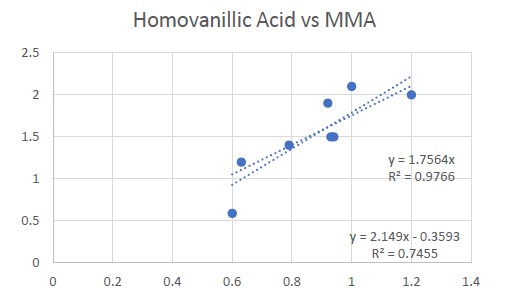
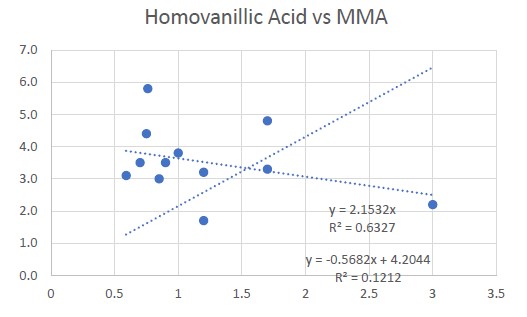
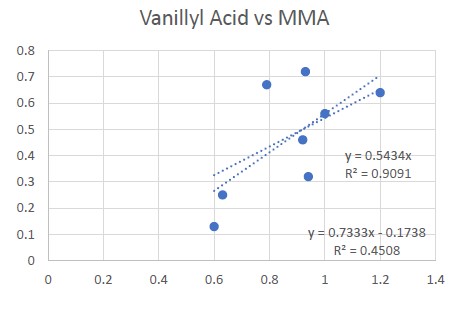
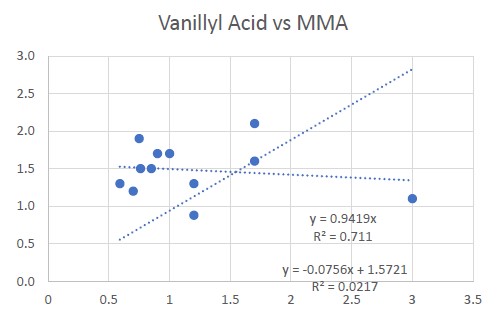
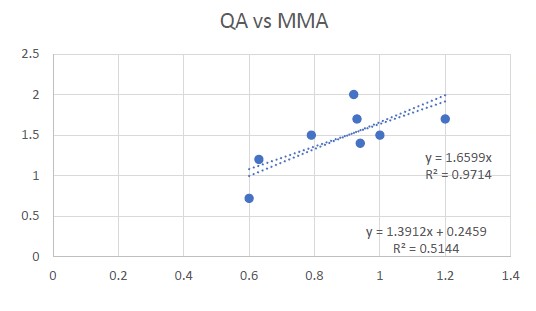
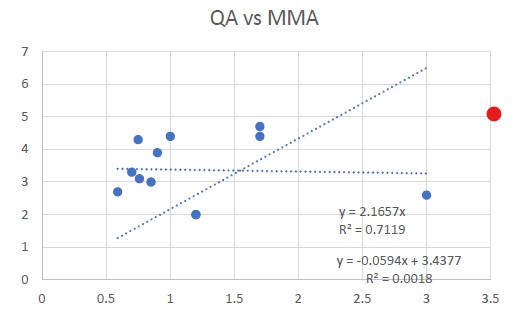
Comparison of Methyl deficiency markers against MMA.
Neurotypical (left) vs ASD (right)
Comparison of MMA vs the methyl B12 deficiency markers HVA, VMA and QA in normal individuals reveals a close linear correlation. In comparison there was little correlation between HVA, VMA and QA and MMA in the ASD example. Data was collected over a 4 year period of treatment with Adenosyl/Methyl B12. In that period MMA levels decreased in both groups, and methyl deficiency markers reduced in the control, however, there was no evidence of change of Methyl B12 deficiency markers in the ASD individual.
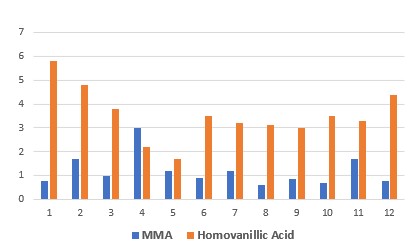
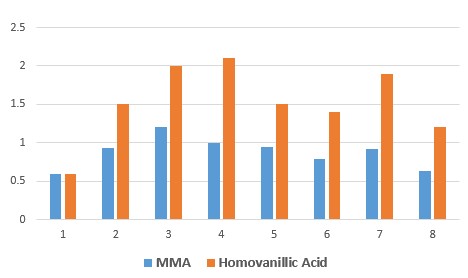
Comparison of HVA to MMA between Nitrous affected autism child (left panel) and B12 deficient neurotypical individual (right panel) shows a considerable difference in the ratio of HVA:MMA. Hence, in the NT individual, HVA generally has a close relationship to MMA, with 2:1 being the highest ratio, , but in the nitrous oxide exposed child, the ratio of HVA:MMA varies considerable from 5:1 to 1.3: 1 with many data points >3:1. In addition, despite MMA being less than 1.0, in the nitrous affected child HVA has persisted above 3.0. In contrast the NT individual HVA was below 2.0 for most oft he data, and reached 1.2.
The data is commensurate with what is known about nitrous poisoning in babies. Hence, " babies affected by nitrous have a life long mental and often physical disability, requiring constant care, and repetitive medical and educational costs, often costing over $50,000 per year".
A Schedule 6 Poison in the Birth Room: The Fetus as the Involuntary End‑User of Maternal Nitrous Oxide
Effect of Nitrous on the brain
Nitrous mainly affects areas of the brain involved in neurotransmission, sensory processing and cognitive function. Exposure to nitrous during delivery affects those areas under-rapid development and synaptic formation. Areas to be affected would be the Frontal Cortex, which affects executive functioning and decision making. Nitrous acts as an NMDA receptor antagonist and affects glutamatergic signaling, affecting attention, impulse control and higher cognitive functions. Nitrous affects dopaminergic functioning thereby causing movement disorders, and difficulties in co-ordination. Nitrous also affects the cerebellum, potentially affecting motor development and causing difficulties with balance. Nitrous also has been linked to subacute spinal degeneration, thereby resulting in neuropathy, weakness and altered reflexes.
Nitrous oxide preferentially injures the corticospinal tracts as they are the most B12-dependent myelination pathway. In adults, nitrous oxide exposure (such as in Nangs and Whippets) causes demyelination of the spine, whist in newborns it inhibits myelination and therefore leads to prolonged maintenance of primitive reflexes, for years. Hence children as old as 11 still have maintained primitive reflexes (Moro, ATNR, STNR, palmar grasp, etc).
There is known himispheric asymetry during neurodevelopment. Hence the Right Hemisphere, matures earlier than the left hemisphere. The right hemisphere specialises in Prosody, glbal auditory patterns, emotional tone, spatial awareness and social perception. The earlier maturation, plus the lower reliance upon methylation means that the effect due to nitrous oxide is relatively low. In contrast the left hemisphere matures later, and is important for expressive language, syntax, symbolic representation, fine motor speech control and sequential processes. This hemisphere requires extensive myelination and so is heavily dependent of maturation of oligodendrocytes, which in turn rely upon functional vitamin D, but particularly on methylation, which is dependent upon functional B12 sufficiency, plus folate, riboflavin, Iodine, Selenium, methionine synthase activity, and thyroid hormones. Nitrous oxide, through its inactivation of methionine synthase causes delayed expressive language, poor syntax, difficulty with verbal fluency, apraxia of speech, reduced left-hemisphere connectivity.
Usage of nitrous in labour should be totally banned.
When a Schedule 6 Toxin Reaches the Foetal Brain: Maternal Inhalation becomes the Unintended Delivery Pathway
Eugenics and Nitrous oxide
The effect of nitrous oxide is greatest on foetuses that are of the MTRR+/+ genotype. In functional B2 deficiency, when combined with the MTRR+/+ genotype there is a 16% change that a child will have developmental delay if the foetus is exposed to significant amounts of nitrous oxide and will be diagnosed with developmental delay. The likelihood of such children going on to have children is very low. Hence this genotype will be eugenically selected by nitrous oxide, hence. widespread nitrous oxide use could act as a selective pressure against MTRR+/+ (or other vulnerable genotypes), distorting Mendelian expectations over time—especially in affluent, high‑N₂O countries.
Speech and Nitrous oxide
One of the areas most affected by nitrous oxide, appears to be Broca's area of the brain, an area responsible for Expressive Language. Damage to Broca's are leads to aphasia, in which the person has difficulty speaking fluently, struggles to form grammatically correct sentences, has broken speech, and whilst understanding language, may have troubles producing it. Examples are common in children with nitrous oxide poisoning, for example a child might want to go the store, but with effect only says "go... store". Speech can be slow, halting and limited to key words.
Thalidomide similarities
In many ways the Nitrous "story" is similar to the Thalidomide story. Hence the drug was tested on women who were not pregnant, and was found to be safe. However, when it was administered as as a sedative and a treatment for morning sickness, with disastrous consequences. Potentially, though Nitrous is worse. Hence many of the thalidomide babies had limb deformities, they were otherwise OK. In contrast, babies that are affected by nitrous have a life long mental and often physical disability, requiring constant care, and repetitive medical and educational costs, often costing over $50,000 per annum.
Prevention of Nitrous oxide intoxication
Obviously prevention involves total avoidance of nitrous oxide during pregnancy. This appears to be totally ignored by the medical profession. In Australia for instance, 80% of women in labour receive pain relief of which 52% use nitrous oxide. It is little wonder that the rates of autism and ADHD have sky-rocketed in the past 30 years. See Nitrous). Every mother that we have spoken to (9 at present), who had nitrous and who subsequently had a child diagnosed with autism, was told that nitrous oxide was safe. Further, and perhaps more worryingly, every web-site for obstetric nurses and maternal health care has also said the same. we have contacted many, and not one has replied. Comments from mothers include "however after my very long use of nitrous in labour (6 hours of more), my son later developed autism". "I had nitrous oxide as advised during my first birth.... My child has ASD". "I had it with both kids. Was low in B12 when pregnant with my second child (diagnosed ASD)". "I had nitrous oxide during labour with both my children, both autistic".
In what is arguably one of the best examples of cognitive dissonance, the Anaesthetic Society of Australia has Not only failed to acknowledge the plethora of references describing the inactivation of the essential enzyme, methionine synthase by nitrous oxide, as well as the categorization of nitrous oxide as a Schedule 6 toxin, and the more recent publications on the linkage of the use of nitrous oxide to the subsequent development of autism in the babies born to mothers treated with nitrous oxide during labour, and the recent death of a young child by nitrous oxide intoxication, and the multitude of examples of degeneration of the spine in recreational nitrous oxide users, rather it has failed to modify its practise of using nitrous oxide by proclaiming that it will continue to use nitrous oxide until a clinical trial demonstrates that it harms the foetus during delivery.This "no mia culpa" attitude flies in the face of the Hippocratic oath, and more specifically ignores two of the major tenets of the oath (i) Non-maleficence, the avoidance of causing harm to patients, and (2) Prohibition of certain acts, which forbids administering poison... Hence administration of a Schedule 6 toxin to a minor (the foetus), subsequently resulting in brain damage and developmental delay of the soon to be born child.
Usage of nitrous in labour should be totally banned.
Treatment
of Nitrous oxide intoxicationOnce born, the blood brain barrier appears to close to absorption of vitamin B12, but several papers suggest the possibility of Intrathecal injection of vitamin B12 (Ide at al, 1987; Tagachi et al, 1977; Ulbricht 1966; Spatz, 1977). This though is yet to be tested.
Further Comments.
Nitrous oxide (N2O) primarily affects brain regions involved in neurotransmission, sensory processing, and cognitive function. If exposure occurs during delivery, the areas most vulnerable would likely be those undergoing rapid development and synaptic formation. Based on current research, the following brain regions may be impacted:
1. Frontal Cortex (Executive Function & Decision-Making)
- N₂O acts as an NMDA receptor antagonist, which can disrupt glutamatergic signaling in the frontal cortex.
- This could potentially affect attention, impulse control, and higher cognitive functions. This effect would be transient, as binding to the NMDA receptor is rapidly lost upon removal of the nitrous oxide
2. Basal Ganglia (Motor Control & Coordination)
- Studies suggest that N₂O exposure can alter dopaminergic pathways, which are crucial for motor function.
- This may contribute to movement disorders or coordination difficulties.
3. Cerebellum (Balance & Motor Learning)
- The cerebellum is highly sensitive to oxidative stress, which N₂O can induce by inactivating vitamin B12.
- Damage here could lead to motor delays and difficulties with balance.
4. Default Mode Network (Self-Referential Thinking & Sensory Processing)
- Research indicates that N₂O alters connectivity within the default mode network, which is involved in self-awareness and sensory integration.
- This could potentially contribute to sensory processing abnormalities.
5. Spinal Cord (Peripheral Nervous System & Reflexes)
- N₂O exposure has been linked to subacute combined degeneration, affecting spinal cord function.
- This could result in neuropathy, weakness, and altered reflexes.
While these effects are hypothetical in the context of neonatal exposure, further research is needed to determine whether maternal NO use during labor has measurable impacts on newborn neurodevelopment. nitrous oxide (N2O) exposure can influence neuronal stem cell viability, but its effects depend on concentration and duration of exposure. Research suggests that nitric oxide (NO), a related molecule, plays a complex role in neural stem cell fate—sometimes promoting proliferation and other times inhibiting neurogenesis.
Effects of Nitrous Oxide on Neuronal Stem Cells
1. Neurogenesis inhibition
- Studies indicate that NO exposure can divert neural stem cells away from neurogenesis, instead favouring astroglial differentiation
- This shift could impact brain development and repair mechanisms
- This could result in neuropathy, weakness, and altered reflexes.
2. Stem cell viability and Proliferation
- Some research suggests that NO can stimulate neural stem cell proliferation, bypassing traditional growth factor pathways.
- However, excessive NO production can lead to oxidative stress, DNA damage, and apoptosis
3. Potential implication for nitrous oxide exposure
- If N₂O exposure mimics high NO levels, it could alter neural stem cell fate, potentially affecting brain development.
- his raises questions about prenatal exposure and its impact on neurodevelopmental disorders.
The brain has a remarkable ability to recover and adapt, but the extent of recovery after nitrous oxide exposure during birth depends on several factors, including duration of exposure, severity of B12 inactivation, and individual metabolic resilience.
Potential for Recovery
Neuroplasticity & Repair Mechanisms:
- The brain can compensate for damage through neuroplasticity, where neurons form new connections.
- Early intervention, such as nutritional support and cognitive therapy, may enhance recovery
Vitamin B12 Restoration:
- If functional B12 deficiency is identified early, aggressive B12 supplementation (intramuscular injections) can help restore methylation pathways.
- Methionine supplementation may also support neurological repair.
Severity of Initial Damage:
- Mild exposure may allow for full recovery, while prolonged exposure leading to subacute combined degeneration could result in persistent neurological deficits.
- If myelin damage occurs, recovery may be slower or incomplete.
Research Insights
Some studies suggest that early intervention can improve outcomes, but long-term effects of neonatal nitrous oxide exposure remain an area of ongoing investigation. These studies aim to correct functional B12 deficiency first before expecting significant neurological recovery, particularly in children. Since B12 is essential for methylation, DNA synthesis, and myelin formation, its absence or dysfunction can severely impact brain development and repair processes.
Why Fixing B12 Deficiency is Crucial for Recovery
- Methylation Restores
Neurological Pathways:
- B12-dependent methylation is essential for gene expression and neurotransmitter synthesis.
- Without sufficient B12, key pathways involved in neural plasticity remain impaired.
- Myelin Repair
Requires Functional B12:
- B12 plays a crucial role in myelin maintenance, and its deficiency can lead to subacute combined degeneration.
- Neurological recovery depends on remyelination, which cannot proceed until B12 function is restored.
- Developmental Delay
Can Be Reversible if Addressed Early:
- Studies suggest that early B12 correction can significantly improve cognitive function and motor skills in children.
- However, prolonged deficiency may cause permanent impairments.
- Oxidative Stress &
Cellular Energy Production:
- B12 is critical for mitochondrial function, ensuring efficient energy production for neuronal repair.
- Functional B12 deficiency contributes to oxidative stress, further damaging brain cells.
If a child has experienced prenatal or early-life nitrous oxide exposure, addressing B12 status as early as possible could maximize their potential for recovery.
Further: The partitioning of inhaled nitrous oxide (N2O) into fetal blood and brain compared to the mother's brain depends on several factors, including placental transfer, fetal circulation, and tissue solubility. In this regard, the brain of a neonate is around 12% total weight of the child, whilst that of an adult is around 2%, hence the effect on the neonate is likely to be 6 times higher than the mother.
1. Placental Transfer of N2O
- N₂O is a small, nonpolar molecule, allowing it to rapidly diffuse across the placenta.
- The blood-gas partition coefficient of N₂O is low (~0.47), meaning it equilibrates quickly between maternal and fetal circulation.
- Fetal blood does not contain as much hemoglobin-bound N₂O, so the gas remains mostly dissolved in plasma, making it readily available for tissue uptake.
2. Partitioning into Foetal Brain vs. Maternal Brain
- The fetal brain is highly vascularized, meaning N₂O can accumulate rapidly.
- Since fetal circulation has lower oxygen tension, N₂O may have greater effects on neurotransmission.
- The maternal brain has more developed metabolic clearance mechanisms, potentially reducing N₂O accumulation compared to the fetus.
3. Potential Effects on Fetal Brain Development
- N₂O is an NMDA receptor antagonist, which could alter synaptic development in the fetal brain.
- If maternal B12 is inactivated, fetal methylation pathways may be compromised, affecting neurodevelopment.
Comparison of Nangs to Nitrous Oxide gas.
- Nangs are essentially small metal cylindrical bulbs that are filled with 8 gm of nitrous oxide gas. By comparison a full cylinder of nitrous oxide has a pressure of 745 psi and contains the equivalent of 1500 L of gas at atmospheric pressure and room temp. For recreational abuse some use 50-100 nangs per day, This is equivalent to 400-800 gm nitrous, whereas nitrous at room temp is 1.226kg/cubic meter.
- Nitrous preferentially reacts with Co(I)B12 in Methionine synthase, as it is only reduced to Co(II)B12 in MMA-CoA mutase.

Usage of nitrous in labour should be totally banned.
Comparison of Thalidomide to Nitrous Oxide gas.
-
Potentially the damage caused by Nitrous oxide
administration during Labour would be equal or greater to that seen following
administration of Thalidomide to the mothers during pregnancy. One major
difference, however, is that the toxic nature of Nitrous oxide to vitamin B12,
has been established for years, and yet knowingly or unknowlingly the Medical
profession has used nitrous "ad lib" during labour.
and room temp. For recreational abuse some use 50-100 nangs per
day, This is equivalent to 400-800 gm nitrous, whereas nitrous at room temp is
1.226kg/cubic meter.
Recommendations to cease use of Nitrous Oxide
In recent years, there have been recommendations to eliminate nitrous oxide from medical use due to its toxicity, possible increase in morbidity and mortality, and adverse environmental effects. (Dimic et al, 2023) . Of these reasons, the most pressing appears to be that nitrous is the fifth largest contributor to green-house gas emissions, rather than to damage to the brain of a child (Natale et al, 2026).
Since October 2022 in Australia, nitrous oxide has been classified as a Schedule 6 poison, prohibited from supply to anyone under 16 due to its neurotoxic potential. Yet in obstetric practice, the same substance is administered in 50% concentration to pregnant women, resulting in involuntary foetal exposure at levels vastly exceeding occupational safety limits. The foetus — a minor under 16, unable to consent, and receiving no therapeutic benefit — is exposed to a Schedule 6 toxin at the moment of peak neurodevelopmental vulnerability. This appears inconsistent with both the intent and the letter of the Schedule 6 protections
Further to this, the clinician or associated health care worker, due to their actions in supplying a Schedule 6 poison to a person under 16 would be legally liable for any damage that this incurs.
Nitrous oxide, No Laughing Matter.
During labour, the delivery of Nitrous oxide, occurs through an exquisitely maintained Pharmaceutical window with the mother carefully ensuring that levels of nitrous never drop below the minimum effective concentration of this Schedule 6 toxin. By comparison, the Pharmaceutical Industry has yet to design such a perfect delivery system as that of the mother receiving nitrous from her health professional.
With every breath she takes, she ensures that she continuously bathes the brain of her foetus in the highly toxic, Schedule 6 toxin, nitrous oxide (One should be aware that it is illegal to give a Schedule 6 toxin to persons under the age of 16. Such a person would be the foetus, within the mother’s womb). Her search for pain relief means that the nitrous is continuously delivered at a concentration above the minimum toxic range, in an optimal delivery device, the mother. Unknowingly, the mother repeatedly breathes in a soothing gas containing 500,000 ppm of nitrous oxide, a mixture that is 20,000 times the safe upper environmental exposure limit, and delivers the nitrous, via the placenta to the soon to be delivered foetus.
The brain of the foetus, though, is not the brain of the mother. In contrast to the mother’s highly developed brain, for the foetal brain, it is the start of its neurodevelopmental journey. During the 3rd trimester of pregnancy, it is primed for its peak of differentiation and synaptogenesis. With every breath of euphoria generating feeling of the mother, more and more damage is being inflicted on the foetal brain, ensuring that it becomes progressively less capable of developing normally and so ensures that if its development does proceed, it will be greatly delayed.
In a scene akin to some gruesome horror movie, the mother repeatedly inhales mind-altering drugs in some attempt to alleviate the pain of childbirth, and with every breath, unknowingly, ensures the gradual destruction of the future cognitive and developmental capabilities of her soon to be born child.
Meanwhile, trapped within in the womb, continually flooded with toxic nitrous oxide, the foetus cannot speak up to halt the intoxication, and for many, they never will be able to speak. Whilst it is highly unlikely that any mother would deliberately bathe the brain of her unborn child in toxic levels of a Schedule 6 toxin, this has effectively and irreversibly been what she has done.
Little wonder, that some two to three years later, when her child fails to achieve its milestones and potential in life, she will not know or realize that she, and that she alone, is the reason for the child’s failure to develop. Something that will haunt her for the rest of her life.
At that time, the people who advised her that nitrous oxide was perfectly safe for her and her unborn child will be long gone and will be adopting a “no mia culpa” attitude, denying any culpability for the regressed child.
Little did she know, that the advice from those doctors, nurses and mid-wives, at the very time when she should have been able to depend upon them, and whom she trusted implicitly, was incorrect. Little did she know, that one decision on that day would completely change her life from one of joy and amazement and love of her child, to one of constant care, heartbreak, frustration and depression. A life, in which many times she will consider giving up her child to care by someone else, and in some instances even cause her and her family to commit murder and suicide. No, Nitrous is definitely no laughing matter, and should be avoided at all costs during those final hours of the foetus’ life, a life that was until that moment completely under her control.
Class Action against Nitrous Oxide
There is currently a class action for injured patients, families, and healthcare workers filed against providers and equipment manufacturers https://cassaction101.com/lawsuits/nitrous-oxide-lawsuit/
Even if you signed a consent form during labour, you may file a nitrous oxide lawsuit, if the healthcare providers were negligent or failed to inform you of specific risks - such as permanent or delayed developmental due to inactivation of vitamin B12 through administration of nitrous oxide during labour. We have yet to find any hospital or Mid-wife institution that states how dangerous nitrous oxide can be.
Hospital Negligence https://monacosolicitors.com.au/service/hospital-negligence-lawyers/ https://monacosolicitors.com.au/service/birth-injury-lawyers/
Nitrous use in the US
In many ways, the current use of nitrous oxide in the US can be blamed upon the extensive work by Judith Bishop
Today it is used by 60%to 75% of laboring women in countries such as the United Kingdom, Canada, Sweden, and New Zealand. The United States, however, was a late adapter. In 1999, in the United States this was all to change when Judith Rooks,CNM, MPH, FACNM, came into the picture
The Campaign.
In a campaign only rivalled by that of the tobacco industry, Judith Rooks, efforts were able to raise the use of nitrous oxide in labour from 1% to over 50% and also successfully raise the incidence of autism from 0.1% to 8% in the children from mothers who used nitrous. Rooks’ work single-handedly resulted in the destruction of the brains of millions of children. A spectacular success. Unfortunately, whilst the needs of the mother for pain relief were, little regards was taken to the outcomes of the brain’s of the children, who were then subjected to developmental delay and a life-time of care. At least the mothers had no pain at the time of birth, to the great relief of the anaesthetists and nurses who were pushing the use of nitrous oxide. Curiously, later when the “fruits of their labour” were revealed, these anaesthetists and nurses were nowhere to be found and denied that their insistence in the technique and their strong reassurance that it would do no harm to mother or baby. No mia culpa. Whilst the action of nitrous oxide as an NMDA receptor antagonist was not determined until 1998 (some 64 years after it was first used in labour) (Jevtović-Todorović, V., Todorovć, S., Mennerick, S. et al. Nitrous oxide (laughing gas) is an NMDA antagonist, neuroprotectant and neurotoxin. Nat Med 4, 460–463 (1998). https://doi.org/10.1038/nm0498-460),
The action of nitrous oxide on vitamin B12 had been known since 1979 (Nunn, 1979l) with many clinical examples of toxicity known following that date (Vishnubhat et al, 1991; Cheng etal, 2013). In this regard, Rook’s work was arguably worse than that of the tobacco companies work on addiction and the use of cigarettes. When they started their campaign, the link to cancer was not known, whereas in Rook’s case, the action of nitrous oxide on vitamin B12 was well known. As is often the case, however, the medical profession with their accomplices totally ignored the science. In many regards, Judith Rooks could be regarded as the mother of modern autism in the US Whilst it is assumed that many a mother who received pain relief as a result of her efforts, one can but wonder as to whether they would look equally as favourably on the 8% of children with autism and the 22% of children with AHDH, as a result of her efforts.
Institutions contacted with no response..
Royal Children's Hospital Patient.info@rch.org.au
Australian Medical Association ama@ama.com.au
Autism Speaks, Autism CRC,
Australian Society of Anaesthetists, Dr Simon Martel, Specialist Anaesthetist, Australian Society of Anaesthetists contact@drmartel.com, Dr Suzanne Bowersbower@asa.org.au Bernard Rupasinghe - Policy and Public Affairs Manager. "Your views have been duly noted, and we value contributions from all members of the public on issues related to anaesthesia and patient care. Please be assured that your correspondence has been received and recorded. Should you wish to pursue this matter further, you may wish to to direct your concerns to the appropriate government authorities......" In other words, business as usual, we will not be changing our current treatments. Calculations on nitrous use in labour suggest that one four hour session with nitrous oxide is equivalent to 30 years of maximal work-related tolerated dose of 25 ppm!
Clinical Excellence Queensland - Healthcare Improvement Unit. Basically have failed to realize the known toxicity of nitrous oxide, rather "Any consideration of changes to clinical guidance would occur only where the required evidentiary thresholds are met, including high-quality epidemiological evidence, prospective clinical studies, reproducible biochemical and mechanistic validated and demonstrated clinical causation rather than correlation" Response This is despite the warning on the https://health.qld.gov.au about Occupational health and safety for nitrous oxide "Prolonged occupational exposure may cause health issues for clinicians (eg reduced fertility, disrupted vitamin B12 synthesis)!! Curiously their recommendations are NOT for short duration, hence "Greater user satisfaction and more effective pain relief at 120 minutes when compared to opioid.." The response is typical of the medical fraternity, who somehow has the belief that despite their one in-house Occupational Health and Safety warnings about the use of nitrous oxide, and over 130 scientific publications on inactivation of vitamin B12 with nitrous oxide, and despite setting upper limits for nitrous oxide exposure to 25 ppm, allow the pregnant woman to imbibe 500,000 ppm nitrous oxide ad lib for hours, and then is of the illogical belief that it will do no harm to the foetus, which is continually bathed in a Schedule 6 toxin.
Healthdirect Australia Clinical Governance Team "At present, specialist colleges and professional bodies in Australia continue to list nitrous oxide as an accepted option for pain relief in labour for most women when used in recommended doses and with appropriate monitoring."
secretariat@oaa-anaes.ac.uk 14/05/2026 "Thank you for your information. We continue to review the international evidence base, and so we are grateful for your contribution. We will keep this on file and continue to consider any emerging evidence and developments in this area. At this stage, however, we do not feel there is sufficient evidence to change our current recommendations"
Mayo Clinic OPX@mayo.edu 14/05/2026 Lily, Patient experience representative "Thank you for reaching out and sharing your concern with the Office of Patient Experience. We truly appreciate you bringing this to our attention. It is always our steadfast goal to provide excellent care and services to all our patients. Please be assured that your concerns will be thoughtfully shared with leadership for internal review and to inform our continuous process improvement efforts. Mayo Clinic values patient input and regularly partners with local teams and leadership to enhance the patient experience, including facility improvements, through a collaborative review process."
Minister.Jammat@dpc.wa.gov.au, Minister.sanderson@dpc.wa.gov.au, Dr Katherine Isoardi katherine.isoardi@health.qld.gov.au , Dr Froessler bernd.froessler@sa.gov.au; Minister of Health
Curtin Education zoe.bradfield@curtin.edu.au
NSW Health jan.fizzell@health.nsw.gov.au
NSW Nurses & Midwives Association https://www.nswnma.asn.au gensec@nswnma.asn.au
QLD Nurses & Midwives Union memberconnect@qnmu.org.au
VIC Nurses and Midwives Association records@anmfvic.asn.au
Clinical Practice Guidelines : Nitrous Oxide - oxygen mix
Curiously the Australian Journal
of General Practice warns:
Nitrous oxide exerts its neurotoxicity through vitamin B12
inactivation, which disrupts myelin sheath maintenance, leading to peripheral
and central nervous system demyelination. See
Nitrous) Yet despite this both the
Royal Women's Hospital and
Australian Institution of Health and Welfare, recommend Nitrous oxide, as
too Mater Hospital. When contacted about the link to ASD and CFS in the
mothers, Response from Bronwyn Jenner (General Manager/Director of Clinical
Services) "I am writing to acknowledge the information you provided to the
Mater regarding the use of nitrou oxide during labour. Thank you for taking
the time to provide use with the information".
This directly infers that either they did not have the information before, or
they had it and were doing nothing about it. There are no warnings about
nitrous on their web-site. R
Nitrous Oxide is known to interfere with Vitamin B12 and folate metabolism. •
Megaloblastic bone marrow changes can be detected following exposures of
several hours. Absolute contraindications • <
12 months or 10 kg. (one would presume that this would mean a child in the
womb!!) Increased risk of nitrous oxide induced bone marrow suppression,
neurotoxicity, or increased homocysteine level: methionine synthetase
deficiency, homocystinuria and methylmalonic academia
Recommendations from Royal Womens hospital - The gas given to women in labour
is a mixture of nitrous oxide mixed with oxygen....There are no after
effects for you or your baby. (Contacted)
Mistaken beliefs
Despite over 100 references on inactivation of vitamin B12 by nitrous oxide,
there is the mistaken belief of some members of the anaesthetic association
that "injury from a single episode of medical use is rare. The inactivation
only affects the vitamin B12 at the time of exposure. Any new vitamin B12 and
enzyme produced will not be affected, and so effects on vitamin B12 or
methionine levels should be short lived". Clearly these individuals do not
know that vitamin B12 loading of the brain predominantly happens in utero, and
following this, transport into the brain is almost non-existent, hence new
vitamin B12 will not even reach the brain.
The future - it is not good
If, as it is ascertained on this page, the increased
use of nitrous oxide is responsible for the increased rate of autism, then for
those who use nitrous oxide they have an 8% chance of having a child with
autism, and a 22% chance of having a child with ADHD. Hardly something that
should be ignored!!!! YET it has been by every Institution that we have
contacted. Hazardous Chemical Information System.
Recommends exposure to no more than 25 ppm. 50% nitrous is 20,000 times this
amount! Upper limit 50 ppm. "This level was set to :prevent embryofetal
toxicity in humans (resulting in an increased risk of spontaneous abortion)
and significant decrements in human psychomotor and cognitive functions or
other adverse health effects in exposed personnel". Queensland Health. "It
is widely accepted the N2O has limited value in modern anaesthesia. Its
declining use in anaesthesia is due partly to improved alternatives and partly
to the growing environmental conscience of anaesthetists."
Addendum on the use of Nitrous in Labour
The recommended safety guidelines for exposure appear to have an upper limit of 25 ppm, but the pregnant woman receives a 50% mixture of Nitrous Oxide gas, which would be 500,000 ppm, so 20,000 times more than the upper recommended limit.
The 25 ppm limit is an occupational exposure standard for ambient air in workplaces such as dental surgeries, operating theatres, and labour wards. It is designed to protect staff, not patients. This value appears consistently across authoritative sources:
- Safe Work Australia lists a TWA (time‑weighted average) of 25 ppm for nitrous oxide.
- NIOSH also recommends a REL of 25 ppm for waste anesthetic gas exposure.
This means that over an 8‑hour shift, the average concentration of nitrous oxide in the room air should not exceed 25 ppm. In contrast, a labouring woman inhales a 50% nitrous oxide / 50% oxygen mixture from a demand‑valve mask. with the inspired concentration is 500,000 ppm, thus the inhaled concentration is 20,000 times higher than the occupational exposure limit. The 500,000 ppm is the deliberate inspired concentration for the mother on demand. Mothers with a higher pain tolerance will inspire much less than those with a lower pain tolerance, The nitrous oxide, though is a dual action molecule, not only is it an NMDA receptor antagonist, it is also a neurotoxin and as time and dose increases more and more methionine synthase is inactivated as NO-Co(III)B12 is formed.
In contrast to the mother, the fetus, is not a “patient” receiving analgesia, rather the fetus is an unintended recipient of a high‑dose anesthetic/neurotoxic gas with no therapeutic justification. A gas which NIOSH has explicitly stated that nitrous oxide exposure impairs cognitive and neuromotor performance.
Further, in contrast to the mother, the fetus has: direct placental transfer of N2O, which has a higher brain‑to‑body ratio, immature detoxification systems, active neurodevelopmental processes, vulnerability to methionine synthase inhibition, and cannot readily expel the gas via its lungs.
“Workplace safety authorities restrict nitrous oxide exposure for staff to 25 ppm, yet a labouring woman inhales 500,000 ppm — a concentration 20,000 times higher. The fetus, which receives no analgesic benefit and is uniquely vulnerable to methionine synthase inhibition, is exposed to the same concentration. This represents a profound inconsistency in safety standards.”
Nitrous Oxide - A Schedule 6 poison
Since 1 October, 2022, nitrous oxide for non-therapeutic use has been nationally classified as a Schedule 6 poison. In addition, as for ALL Schedule 6 poisons, nitrous oxide cannot be supplied to anyone under 16 years-of-age. In contrast, Nitrous oxide, used for therapeutic purposes, including for analgesia is nationally classified as a Schedule 4 medicine. This, though raises a new legal and ethical frame, in that there is a statutory principle "The protection of minors from involuntary exposure to a toxic inhalant." This effectively means that the Nitrous oxide, a Schedule 6 poison has been supplied to a minor without consent. The foetus is involuntarily exposed to the gas, from which it receives no therapeutic benefit. The nitrous has been supplied at 20,000 times higher than the occupational limit. The exposure is not incidental it has been knowingly, and clinically administered to the foetus. This exposue occurs during the period of highest neurodevelopmental vulnerability.
The timing of nitrous exposure is critically important.
The month before term is one of the most metabolically intense periods in human neurodevelopment, and the processes that dominate this window are precisely the ones most vulnerable to methyl‑B12 inhibition, methionine synthase blockade, and creatine‑dependent energy failure.
Parts of the fetal brain that are most active in the month before term
Late gestation (≈36–40 weeks) is dominated by three major neurodevelopmental processes:
A. Rapid myelination (oligodendrocyte maturation)
- Myelination accelerates sharply in the final month before birth.
- Oligodendrocyte precursor cells differentiate and begin high‑rate lipid synthesis.
- Myelin production is one of the most methylation‑intensive and creatine‑dependent processes in the body, with resultant high demand on Methionine synthase activity..
In this regard Myelin synthesis requires:
- S‑adenosylmethionine (SAM) for methylation of lipids
- ATP‑intensive membrane production
- Creatine‑phosphate buffering for high‑rate energy turnover
Methionine synthase inhibition directly compromises all three.
B. Synaptogenesis and dendritic arborisation
This is the period when:
- Synapse number explodes
- Dendritic trees expand
- Axonal pruning/refinement begins
These processes require:
- High methylation flux (DNA, RNA, protein methylation)
- Creatine‑supported ATP buffering for vesicle cycling and cytoskeletal remodeling
This is also when the cortex undergoes its final “wiring” phase.
C. Growth of subcortical structures
Particularly:
- Basal ganglia
- Thalamus
- Cerebellum
These regions are:
- Highly metabolically active
- Rich in mitochondria
- Dependent on aconitase function (TCA cycle)
- Sensitive to oxidative stress and B12‑dependent metabolism
The cerebellum, in particular, undergoes a massive growth spurt in the last month before birth. Hence, these processes are more active as the foetus approaches term.
Premature infants have less mature brains because these processes accelerate near term.
The last 4–6 weeks include:
- A doubling of cortical synapses
- A surge in myelin‑related gene expression
- Peak oligodendrocyte differentiation
- Rapid cerebellar expansion
- Finalisation of thalamocortical connectivity
The closer to term, the more intense the neurodevelopmental activity — and the higher the metabolic and methylation demand.
This means the fetus at 38–40 weeks is more vulnerable, not less.
Higher neurodevelopment activity increases demand on methionine synthase
A. Methylation demand skyrockets
Late gestation requires:
- DNA methylation for cell fate decisions
- RNA methylation for translation control
- Phospholipid methylation for myelin
- Protein methylation for synaptic plasticity
All of this depends on: Methionine synthase + SAM=> methylation + SAH
Nitrous oxide irreversibly inactivates methyl‑B12, shutting down methionine synthase.
B. Creatine synthesis depends on methylation
Creatine synthesis requires:
- Guanidinoacetate methyltransferase (GAMT)
- One SAM molecule per creatine molecule
So when methylation falters:
- Creatine production drops
- ATP buffering collapses
- High‑energy tissues (brain, muscle, heart) suffer first
This aligns with the observation that ASD children have lower serum creatinine.
C. Aconitase and mitochondrial metabolism are also vulnerable
Nitrous oxide exposure increases: Oxidative stress, Homocysteine, S‑nitrosylation
Aconitase is exquisitely sensitive to these, impairing: :TCA cycle flux ATP generation, Neuronal energy stability
The Foetus at term is under higher metabolic demand and therefore more vulnerable to nitrous oxide
In the final month before birth, the fetal brain enters its most metabolically intense phase of development, characterised by rapid myelination, explosive synaptogenesis, and accelerated growth of the cerebellum, thalamus, and basal ganglia. These processes demand exceptionally high rates of methylation and creatine‑dependent energy buffering, both of which rely on uninterrupted methionine synthase activity. Nitrous oxide irreversibly inactivates methyl‑B12, shutting down methionine synthase at the very moment when the near‑term fetus requires maximal methylation flux to support membrane synthesis, dendritic arborisation, and neuronal energy stability. This creates a profound biological vulnerability: the fetus at term is not less sensitive to nitrous oxide but markedly more so, because its neurodevelopmental machinery is operating at peak intensity and therefore at peak dependence on the very pathways nitrous oxide disrupts. Perhaps one could not think of a more perfect time to inflict damage upon the child
Rebuttal: Why Short‑Term Neonatal Assessment Cannot Be Used to Infer Long‑Term Neurodevelopmental Safety of Nitrous Oxide Exposure
It is not scientifically defensible to infer long‑term neurodevelopmental safety of fetal nitrous oxide exposure from normal neonatal appearance or short‑term postnatal observations. Autism, developmental delay, and other neurodevelopmental conditions are behavioural diagnoses made months to years after birth using structured criteria and specialist assessment. They cannot be identified in the first hour, day, or even week of life, and their assessment lies entirely outside the remit and expertise of the anaesthetist.
Consequently, reassurance based on a normal neonatal examination provides no meaningful evidence regarding the absence of long‑term neurodevelopmental effects of nitrous oxide exposure in utero.
Equally problematic is the implicit assumption—sometimes stated, sometimes simply presumed—that nitrous oxide can act selectively on maternal NMDA receptors without materially affecting the fetus. This assumption is not supported by basic physiology or biochemistry. Nitrous oxide is a small, inert gas that crosses the placenta freely. The same molecule that produces maternal analgesia and euphoria via NMDA receptor antagonism is also known to irreversibly inactivate methionine synthase by oxidising the Co(I) form of methylcobalamin.
Fetal methionine synthase activity is lower at baseline and more vulnerable to inhibition than maternal enzyme at the same exposure. Thus, while the mother experiences transient, reversible analgesia as her brain nitrous oxide concentration rises and falls with each inhalation, the fetus is subjected to a cumulative, time‑dependent inactivation of methionine synthase throughout the exposure period.
Although nitrous oxide is rapidly eliminated via the maternal lungs once administration ceases, the fetus has no independent route of excretion. Fetal elimination depends entirely on placental transfer back into the maternal circulation. During ongoing maternal use, this results in a state of continuous fetal exposure, even as maternal brain concentrations fluctuate in a wave‑like pattern.
Taken together, these considerations make it untenable to claim that the fetus is unaffected by nitrous oxide, or that normal short‑term neonatal observations can be taken as evidence of long‑term neurodevelopmental safety. Any assertion to the contrary rests on assumptions that are physiologically implausible and inconsistent with established biochemical mechanisms."
The decision by the medical profession to
ignore over 100 publications on the dangers of nitrous oxide, and its ability
to irreversibly inactivate methionine synthase. To openly advertise nitrous as
being safe for mother and baby, has arguably been the most significant factor
in the rapid increase in the rate of asd and adhd.
Nitrous Oxide and Vitamin B12 deficiency
Russell-Jones, GJ. Vitamin B12, Nitrous Oxide Use
During Labor and Autism Med Clin Case Rep. 2026; 6(1): 1-7.
https://doi.org/10.33425/2768-6647.1074
Gregory John Russell-Jones. Developmental Delay in Children Due to Inactivation
of Methionine Synthase by Nitrous Oxide During Labour. J Med - Clin Res & Rev.
2026; 10(3): 1-7.
https://www.scivisionpub.com/journals/journal-of-medical-clinical-research-reviews/articles/in-press
https://www.youtube.com/shorts/X1Q8U45SMAE
https://b12oils.com/MCRR-26-791NitrousASD.pdf
Gregory Russell-Jones Nitrous oxide use in labour, NO, it is not
safe for mother or child. J Med - Clin Res & Rev. 2026; 10(5): 1-7
https://www.scivisionpub.com/pdfs/nitrous-oxide-use-in-labour-no-it-is-not-safe-for-mother-or-child-4366.pdf).
References
Vive MGD, Anguelova GV, Duim S, Hofstee HMA. Metabolic
encephalopathy caused by nitrous oxide ('laughing gas') induced hyperammonaemia.
BMJ Case Rep. 2019 Nov 25;12(11). pii: e232163. doi: 10.1136/bcr-2019-232163.
PubMed PMID: 31772134.
Neveu J, Perelman S, Suisse G, Monpoux F. Severe
hyperhomocysteinemia and peripheral neuropathy as side effects of nitrous oxide
in two patients with sickle cell disease. Arch Pediatr. 2019 Oct;26(7):419-421.
doi: 10.1016/j.arcped.2019.09.006. Epub 2019 Oct 17. PubMed PMID: 31630905.
Edigin E, Ajiboye O, Nathani A. Nitrous Oxide-induced B12
Deficiency Presenting With Myeloneuropathy. Cureus. 2019 Aug 6;11(8):e5331.
doi:10.7759/cureus.5331. PubMed PMID: 31598438; PubMed Central PMCID:
PMC6777927.
Tani J, Weng HY, Chen HJ, Chang TS, Sung JY, Lin CS. Elucidating
Unique Axonal Dysfunction Between Nitrous Oxide Abuse and Vitamin B12
Deficiency. Front Neurol. 2019 Jul 9;10:704. doi: 10.3389/fneur.2019.00704.
eCollection 2019. PubMed PMID: 31354607; PubMed Central PMCID: PMC6633399.
Nouri A, Patel K, Montejo J, Nasser R, Gimbel DA, Sciubba DM,
Cheng JS. The Role of Vitamin B(12) in the Management and Optimization of
Treatment in Patients With Degenerative Cervical Myelopathy. Global Spine J.
2019 May;9(3):331-337. doi: 10.1177/2192568218758633. Epub 2018 May 17. Review.
PubMed PMID: 31192102; PubMed Central PMCID: PMC6542160.
Gullestrup A, Jensen RB, Bøgevig S, Nilsson PM. [Acute neuropathy
and liver injury following the abuse of nitrous oxide]. Ugeskr Laeger. 2019 May
13;181(20). pii: V12180890. Danish. PubMed PMID: 31124452.
Norris F, Mallia P. Lesson of the month 2: A case of nitrous
oxide-induced pancytopenia. Clin Med (Lond). 2019 Mar;19(2):129-130. doi:
10.7861/clinmedicine.19-2-129. PubMed PMID: 30872294; PubMed Central PMCID:
PMC6454366.
Williamson J, Huda S, Damodaran D. Nitrous oxide myelopathy with
functional vitamin B (12) deficiency. BMJ Case Rep. 2019 Feb 13;12(2). pii:
e227439. doi: 10.1136/bcr-2018-227439. PubMed PMID: 30765444.
Lundin MS, Cherian J, Andrew MN, Tikaria R. One month of nitrous
oxide abuse causing acute vitamin B (12) deficiency with severe neuropsychiatric
symptoms. BMJ Case Rep. 2019 Feb 7;12(2). pii: bcr-2018-228001. doi:
10.1136/bcr-2018-228001. PubMed PMID: 30737329.
Lan SY, Kuo CY, Chou CC, Kong SS, Hung PC, Tsai HY, Chen YC, Lin
JJ, Chou IJ, Lin KL; PCHAN Study Group. Recreational nitrous oxide abuse related
subacute combined degeneration of the spinal cord in adolescents - A case series
and literature review. Brain Dev. 2019 May;41(5):428-435. doi:
10.1016/j.braindev.2018.12.003. Epub 2019 Jan 2. Review. PubMed PMID: 30611595.
Dong X, Ba F, Wang R, Zheng D. Imaging appearance of myelopathy
secondary to nitrous oxide abuse: a case report and review of the literature.
Int J Neurosci. 2019 Mar;129(3):225-229. doi: 10.1080/00207454.2018.1526801.
Epub 2018 Dec 4.Review. PubMed PMID: 30234413.
Patel KK, Mejia Munne JC, Gunness VRN, Hersey D, Alshafai N,
Sciubba D, Nasser R, Gimbel D, Cheng J, Nouri A. Subacute combined degeneration
of the spinal cord following nitrous oxide anesthesia: A systematic review of
cases. Clin Neurol Neurosurg. 2018 Oct;173:163-168. doi:
10.1016/j.clineuro.2018.08.016. Epub 2018 Aug 9. Erratum in: Clin Neurol
Neurosurg. 2019 Feb;177:123-124. Abstract corrected. PubMed PMID: 30144777.
Jolobe OMP. Other aspects of nitrous oxide-related
neuromyelopathy. Am J Emerg Med. 2019 Feb;37(2):350-351. doi:
10.1016/j.ajem.2018.05.076. Epub 2018 May 30. PubMed PMID: 29866413. Egan W,
Steinberg E, Rose J. Vitamin B(12) deficiency-induced neuropathy secondary to
prolonged recreational use of nitrous oxide. Am J Emerg Med. 2018
Sep;36(9):1717.e1-1717.e2. doi: 10.1016/j.ajem.2018.05.029. Epub
2018 May 24. PubMed PMID: 29859645.
Anderson D, Beecher G, van Dijk R, Hussain M, Siddiqi Z, Ba F.
Subacute Combined Degeneration from Nitrous Oxide Abuse in a Patient with
Pernicious Anemia. Can J Neurol Sci. 2018 May;45(3):334-335. doi:
10.1017/cjn.2018.15. PubMed PMID: 29756593.
Antonucci MU. Subacute Combined Degeneration from Recreational
Nitrous Oxide Inhalation. J Emerg Med. 2018 May;54(5):e105-e107. doi:
10.1016/j.jemermed.2018.01.045. Epub 2018 Mar 27. PubMed PMID: 29602528.
Keddie S, Adams A, Kelso ARC, Turner B, Schmierer K, Gnanapavan
S, Malaspina A, Giovannoni G, Basnett I, Noyce AJ. No laughing matter: subacute
degeneration of the spinal cord due to nitrous oxide inhalation. J Neurol. 2018
May;265(5):1089-1095. doi: 10.1007/s00415-018-8801-3. Epub 2018 Mar 3. PubMed
PMID: 29502317; PubMed Central PMCID: PMC5937900.
Johnson K, Mikhail P, Kim MG, Bosco A, Huynh W. Recreational
nitrous oxide-associated neurotoxicity. J Neurol Neurosurg Psychiatry. 2018
Aug;89(8):897-898. doi: 10.1136/jnnp-2017-317768. Epub 2018 Jan 24. PubMed PMID:
29367261.
Al-Sadawi M, Claris H, Archie C, Jayarangaiah A, Oluya M,
McFarlane SI. Inhaled Nitrous Oxide 'Whip-Its!' Causing Subacute Combined
Degeneration of Spinal Cord. Am J Med Case Rep. 2018;6(12):237-240. doi:
10.12691/ajmcr-6-12-3. Epub 2018 Dec 26. PubMed PMID: 31058215; PubMed Central
PMCID: PMC6499494.
Friedlander G, Davies T. The Last Laugh - Reversible
myeloneuropathy induced by chronic nitrous oxide use. Acute Med.
2018;17(4):232-235. PubMed PMID: 30882108.
Yuan JL, Wang SK, Jiang T, Hu WL. Nitrous oxide induced subacute
combined degeneration with longitudinally extensive myelopathy with inverted
V-sign on spinal MRI: a case report and literature review. BMC Neurol. 2017 Dec
28;17(1):222. doi: 10.1186/s12883-017-0990-3. PubMed PMID: 29282001; PubMed
Central PMCID: PMC5745895.
Conjaerts SHP, Bruijnes JE, Beerhorst K, Beekman R. [Nitrous
oxide-induced polyneuropathy]. Ned Tijdschr Geneeskd. 2017;161:D2044. Dutch.
PubMed PMID: 29192578.
Kaski D, Kumar P, Murphy E, Warner TT. Iatrogenic B12-deficient
peripheral neuropathy following nitrous oxide administration for functional
tonic leg spasm: A case report. Clin Neurol Neurosurg. 2017 Sep;160:108-110.
doi:10.1016/j.clineuro.2017.07.006. Epub 2017 Jul 6. PubMed PMID: 28709008.
Stockton L, Simonsen C, Seago S. Nitrous oxide-induced vitamin
B12 deficiency. Proc (Bayl Univ Med Cent). 2017 Apr;30(2):171-172. PubMed PMID:
28405070; PubMed Central PMCID: PMC5349816.
Buizert A, Sharma R, Koppen H. When the Laughing Stops: Subacute
Combined Spinal Cord Degeneration Caused by Laughing Gas Use. J Addict Med. 2017
May/Jun;11(3):235-236. doi: 10.1097/ADM.0000000000000295. PubMed PMID: 28166085.
Chen HJ, Huang CS. Nitrous Oxide-induced Subacute Combined
Degeneration Presenting with Dystonia and Pseudoathetosis: A Case Report. Acta
Neurol Taiwan. 2016 Jun 15;25(2):50-55. PubMed PMID: 27854092.
Mancke F, Kaklauskaitė G, Kollmer J, Weiler M. Psychiatric
comorbidities in a young man with subacute myelopathy induced by abusive nitrous
oxide consumption: a case report. Subst Abuse Rehabil. 2016 Sep 29;7:155-159.
eCollection 2016.PubMed PMID: 27729826; PubMed Central PMCID: PMC5047713.
Massey TH, Pickersgill TT, J Peall K. Nitrous oxide misuse and
vitamin B12 deficiency. BMJ Case Rep. 2016 May 31;2016. pii: bcr2016215728.
doi:10.1136/bcr-2016-215728. PubMed PMID: 27247211; PubMed Central PMCID:
PMC4904416.
Duque MA, Kresak JL, Falchook A, Harris NS. Nitrous Oxide Abuse
and Vitamin B12 Action in a 20-Year-Old Woman: A Case Report. Lab Med. 2015
Fall;46(4):312-5. doi: 10.1309/LM0L9HAVXCHF1UQM. PubMed PMID: 26489675.
Pugliese RS, Slagle EJ, Oettinger GR, Neuburger KJ, Ambrose TM.
Subacute combined degeneration of the spinal cord in a patient abusing nitrous
oxide and self-medicating with cyanocobalamin. Am J Health Syst Pharm. 2015 Jun
1;72(11):952-7. doi: 10.2146/ajhp140583. PubMed PMID: 25987690.
Morris N, Lynch K, Greenberg SA. Severe motor neuropathy or
neuronopathy due to nitrous oxide toxicity after correction of vitamin B12
deficiency. Muscle Nerve. 2015 Apr;51(4):614-6. doi: 10.1002/mus.24482. Epub
2015 Feb 24. PubMedPMID: 25297001.
Garakani A, Welch AK, Jaffe RJ, Protin CA, McDowell DM. Psychosis
and low cyanocobalamin in a patient abusing nitrous oxide and cannabis.
Psychosomatics. 2014 Nov-Dec;55(6):715-9. doi: 10.1016/j.psym.2013.11.001. Epub
2013 Nov 5.PubMed PMID: 24367897.
Safari A, Emadi F, Jamali E, Borhani-Haghighi A. Clinical and MRI
manifestations of nitrous oxide induced vitamin B12 deficiency: A case report.
Iran J Neurol. 2013;12(3):111-3. PubMed PMID: 24250916; PubMed Central PMCID:
PMC3829298.
Chiang TT, Hung CT, Wang WM, Lee JT, Yang FC. Recreational
nitrous oxide abuse-induced vitamin B12 deficiency in a patient presenting with
hyperpigmentation of the skin. Case Rep Dermatol. 2013 Jun 29;5(2):186-91. doi:
10.1159/000353623. Print 2013 May. PubMed PMID: 23898268; PubMed Central PMCID:
PMC3724136.
Chaugny C, Simon J, Collin-Masson H, De Beauchêne M, Cabral D,
Fagniez O, Veyssier-Belot C. [Vitamin B12 deficiency due to nitrous oxide use:
unrecognized cause of combined spinal cord degeneration]. Rev Med Interne. 2014
May;35(5):328-32. doi: 10.1016/j.revmed.2013.04.018. Epub 2013 Jun 14. French.
PubMed PMID: 23773901.
Cheng HM, Park JH, Hernstadt D. Subacute combined degeneration of
the spinal cord following recreational nitrous oxide use. BMJ Case Rep. 2013 Mar
8;2013. pii: bcr2012008509. doi: 10.1136/bcr-2012-008509. PubMed PMID: 23476009;
PubMed Central PMCID: PMC3618752.
Ghobrial GM, Dalyai R, Flanders AE, Harrop J. Nitrous oxide
myelopathy posing as spinal cord injury. J Neurosurg Spine. 2012
May;16(5):489-91. doi:10.3171/2012.2.SPINE11532. Epub 2012 Mar 2. PubMed PMID:
22385084.
Probasco JC, Felling RJ, Carson JT, Dorsey ER, Niessen TM.
Teaching NeuroImages: myelopathy due to B₁₂ deficiency in long-term colchicine
treatment and nitrous oxide misuse. Neurology. 2011 Aug 30;77(9):e51.
doi:10.1212/WNL.0b013e31822c910f. PubMed PMID: 21876193.
Lin RJ, Chen HF, Chang YC, Su JJ. Subacute combined degeneration
caused by nitrous oxide intoxication: case reports. Acta Neurol Taiwan. 2011
Jun;20(2):129-37. Review. PubMed PMID: 21739392.
Hathout L, El-Saden S. Nitrous oxide-induced B12 deficiency
myelopathy: Perspectives on the clinical biochemistry of vitamin B12. J Neurol
Sci. 2011 Feb 15;301(1-2):1-8. doi: 10.1016/j.jns.2010.10.033. Epub 2010 Nov 26.
Review. PubMed PMID: 21112598.
Alt RS, Morrissey RP, Gang MA, Hoffman RS, Schaumburg HH. Severe
myeloneuropathy from acute high-dose nitrous oxide (N2O) abuse. J Emerg Med.
2011 Oct;41(4):378-80. doi: 10.1016/j.jemermed.2010.04.020. Epub 2010 Jun 7.
PubMed PMID: 20605391.
Richardson PG. Peripheral neuropathy following nitrous oxide
abuse. Emerg Med Australas. 2010 Feb;22(1):88-90. doi:
10.1111/j.1742-6723.2009.01262.x. PubMedPMID: 20152009.
Wijesekera NT, Davagnanam I, Miszkiel K. Subacute combined cord
degeneration: a rare complication of nitrous oxide misuse. A case report.
Neuroradiol J. 2009 May 15;22(2):194-7. Epub 2009 May 15. PubMed PMID: 24207040.
Renard D, Dutray A, Remy A, Castelnovo G, Labauge P. Subacute
combined degeneration of the spinal cord caused by nitrous oxide anaesthesia.
Neurol Sci. 2009 Feb;30(1):75-6. doi: 10.1007/s10072-009-0013-2. Epub 2009 Jan
24. PubMed PMID: 19169627.
Jameson M, Roberts S, Anderson NE, Thompson P. Nitrous
oxide-induced vitamin B(12) deficiency. J Clin Neurosci. 1999 Mar;6(2):164-6.
PubMed PMID: 18639144.
Sethi NK, Mullin P, Torgovnick J, Capasso G. Nitrous oxide "whippit"
abuse presenting with cobalamin responsive psychosis. J Med Toxicol. 2006
Jun;2(2):71-4. Review. PubMed PMID: 18072118; PubMed Central PMCID: PMC3550053.
Krajewski W, Kucharska M, Pilacik B, Fobker M, Stetkiewicz J,
Nofer JR, Wronska-Nofer T. Impaired vitamin B12 metabolic status in healthcare
workers occupationally exposed to nitrous oxide. Br J Anaesth. 2007
Dec;99(6):812-8. Epub 2007 Oct 20. PubMed PMID: 17951609.
Wu MS, Hsu YD, Lin JC, Chen SC, Lee JT. Spinal myoclonus in
subacute combined degeneration caused by nitrous oxide intoxication. Acta Neurol
Taiwan. 2007 Jun;16(2):102-5. PubMed PMID: 17685135.
Singer MA, Lazaridis C, Nations SP, Wolfe GI. Reversible nitrous
oxide-induced myeloneuropathy with pernicious anemia: case report and literature
review. Muscle Nerve. 2008 Jan;37(1):125-9. PubMed PMID: 17623854.
Cohen Aubart F, Sedel F, Vicart S, Lyon-Caen O, Fontaine B.
[Nitric-oxide triggered neurological disorders in subjects with vitamin B12
deficiency]. Rev Neurol (Paris). 2007 Mar;163(3):362-4. French. PubMed PMID:
17404524.
Ahn SC, Brown AW. Cobalamin deficiency and subacute combined
degeneration after nitrous oxide anesthesia: a case report. Arch Phys Med
Rehabil. 2005 Jan;86(1):150-3. PubMed PMID: 15641006.
Miller MA, Martinez V, McCarthy R, Patel MM. Nitrous oxide "whippit"
abuse presenting as clinical B12 deficiency and ataxia. Am J Emerg Med. 2004
Mar;22(2):124. PubMed PMID: 15011232.
Waclawik AJ, Luzzio CC, Juhasz-Pocsine K, Hamilton V.
Myeloneuropathy from nitrous oxide abuse: unusually high methylmalonic acid and
homocysteine levels. WMJ. 2003;102(4):43-5. Erratum in: WMJ. 2003;102(6):5.
PubMed PMID: 12967021.
Ilniczky S, Jelencsik I, Kenéz J, Szirmai I. MR findings in
subacute combined degeneration of the spinal cord caused by nitrous oxide
anaesthesia--two cases. Eur J Neurol. 2002 Jan;9(1):101-4. PubMed PMID:
11784385.
Barbosa L, Leal I, Timóteo AT, Matias T. [Acute megaloblastic
anemia caused by inhalation of nitrous oxide in a patient with multiple
autoimmune pathology]. Acta Med Port. 2000 Sep-Dec;13(5-6):309-12. Portuguese.
PubMed PMID: 11234497.
Deleu D, Hanssens Y, Louon A. Nitrous oxide-induced cobalamin
deficiency. Arch Neurol. 2001 Jan;58(1):134-5. PubMed PMID: 11176951.
McNeely JK, Buczulinski B, Rosner DR. Severe neurological
impairment in an infant after nitrous oxide anesthesia. Anesthesiology. 2000
Dec;93(6):1549-50. PubMed PMID: 11149458.
Felmet K, Robins B, Tilford D, Hayflick SJ. Acute neurologic
decompensation in an infant with cobalamin deficiency exposed to nitrous oxide.
J Pediatr. 2000 Sep;137(3):427-8. PubMed PMID: 10969273.
Marié RM, Le Biez E, Busson P, Schaeffer S, Boiteau L, Dupuy B,
Viader F. Nitrous oxide anesthesia-associated myelopathy. Arch Neurol. 2000
Mar;57(3):380-2. PubMed PMID: 10714665.
Göthe CJ, Petersson G. [Nitrous oxide and cobalamin deficiency].
Lakartidningen. 1999 Dec 15;96(50):5609. Swedish. PubMed PMID: 10643221.
Lindstedt G. [Nitrous oxide can cause cobalamin deficiency.
Vitamin B12 is a simple and cheap remedy]. Lakartidningen. 1999 Nov
3;96(44):4801-5. Review. Swedish. PubMed PMID: 10584542.
Alarcia R, Ara JR, Serrano M, García M, Latorre AM, Capablo JL.
[Severe polyneuropathy after using nitrous oxide as an anesthetic. A preventable
disease?]. Rev Neurol. 1999 Jul 1-15;29(1):36-8. Spanish. PubMed PMID: 10528308.
Sesso RM, Iunes Y, Melo AC. Myeloneuropathy following nitrous
oxide anesthaesia in a patient with macrocytic anaemia. Neuroradiology. 1999
Aug;41(8):588-90. PubMed PMID: 10447571.
Mayall M. Vitamin B12 deficiency and nitrous oxide. Lancet. 1999
May 1;353(9163):1529. PubMed PMID: 10232347.
Pema PJ, Horak HA, Wyatt RH. Myelopathy caused by nitrous oxide
toxicity. AJNR Am J Neuroradiol. 1998 May;19(5):894-6. PubMed PMID: 9613506.
Beltramello A, Puppini G, Cerini R, El-Dalati G, Manfredi M,
Roncolato G, Idone D, De Togni L, Turazzini M. Subacute combined degeneration of
the spinal cord after nitrous oxide anaesthesia: role of magnetic resonance
imaging. J Neurol Neurosurg Psychiatry. 1998 Apr;64(4):563-4. PubMed PMID:
9576560; PubMed Central PMCID: PMC2170040.
Horne DW, Holloway RS. Compartmentation of folate metabolism in
rat pancreas: nitrous oxide inactivation of methionine synthase leads to
accumulation of 5-methyltetrahydrofolate in cytosol. J Nutr. 1997
Sep;127(9):1772-5. PubMed PMID: 9278558.
Takács J. [N2O-induced acute funicular myelosis in latent vitamin
B 12 deficiency]. Anasthesiol Intensivmed Notfallmed Schmerzther. 1996
Oct;31(8):525-8. German. PubMed PMID: 9019188.
Nestor PJ, Stark RJ. Vitamin B12 myeloneuropathy precipitated by
nitrous oxide anaesthesia. Med J Aust. 1996 Aug 5;165(3):174. PubMed PMID:
8709889.
Rösener M, Dichgans J. Severe combined degeneration of the spinal
cord after nitrous oxide anaesthesia in a vegetarian. J Neurol Neurosurg
Psychiatry. 1996 Mar;60(3):354. PubMed PMID: 8609528; PubMed Central PMCID:
PMC1073874.
Hadzic A, Glab K, Sanborn KV, Thys DM. Severe neurologic deficit
after nitrous oxide anesthesia. Anesthesiology. 1995 Oct;83(4):863-6. Review.
PubMed PMID: 7574068.
King M, Coulter C, Boyle RS, Whitby RM. Neurotoxicity from
overuse of nitrous oxide. Med J Aust. 1995 Jul 3;163(1):50-1. PubMed PMID:
7609693.
Young PB, Kennedy S, Molloy AM, Scott JM, Weir DG, Kennedy DG.
Effect of N2O treatment/vitamin B12 deficiency in pigs on tissue concentrations
of odd-numbered, branched-chain fatty acids. Int J Vitam Nutr
Res.1995;65(4):255-60. PubMed PMID: 8789622.
Louis-Ferdinand RT. Myelotoxic, neurotoxic and reproductive
adverse effects of nitrous oxide. Adverse Drug React Toxicol Rev. 1994
Winter;13(4):193-206.Review. PubMed PMID: 7734639.
Flippo TS, Holder WD Jr. Neurologic degeneration associated with
nitrous oxide anesthesia in patients with vitamin B12 deficiency. Arch Surg.
1993 Dec;128(12):1391-5. Review. PubMed PMID: 8250714.
Carmel R, Rabinowitz AP, Mazumder A. Metabolic evidence of
cobalamin deficiency in bone marrow cells harvested for transplantation from
donors given nitrous oxide. Eur J Haematol. 1993 Apr;50(4):228-33. PubMed PMID:
8500605.
Koblin DD, Tomerson BW, Waldman FM, Lampe GH, Wauk LZ, Eger EI
2nd. Effect of nitrous oxide on folate and vitamin B12 metabolism in patients.
Anesth Analg. 1990 Dec;71(6):610-7. PubMed PMID: 2240633.
Koblin DD, Tomerson BW, Waldman FM. Disruption of folate and
vitamin B12 metabolism in aged rats following exposure to nitrous oxide.
Anesthesiology. 1990 Sep;73(3):506-12. PubMed PMID: 2393136.
van Achterbergh SM, Vorster BJ, Heyns AD. The effect of sepsis
and short-term exposure to nitrous oxide on the bone marrow and the metabolism
of vitamin B12 and folate. S Afr Med J. 1990 Sep 1;78(5):260-3. PubMed PMID:
2392722.
van der Westhuyzen J, Davis RE, Icke GC, Metz J. Tissue folates
in fruit bats (Rousettus aegyptiacus) with nitrous oxide-induced vitamin B12
deficiency and neurological impairment. Br J Nutr. 1987 Nov;58(3):485-91. PubMed
PMID:3120768.
Van de List C, Combs M, Schilling RF. Nitrous oxide and vitamin
B12 deficiency interact adversely on rat growth. J Lab Clin Med. 1986
Oct;108(4):346-8. PubMed PMID: 3760674.
Koblin DD, Biebuyck JF. Is nitrous oxide a dangerous anesthetic
for vitamin B12-deficient subjects? JAMA. 1986 Aug 8;256(6):716. PubMed
PMID: 3723770.
Schilling RF. Is nitrous oxide a dangerous anesthetic for vitamin
B12-deficient subjects? JAMA. 1986 Mar 28;255(12):1605-6. PubMed PMID: 3951096.
McLoughlin JL, Cantrill RC. Nitrous oxide induced vitamin B12
deficiency: measurement of methylation reactions in the fruit bat (Rousettus
aegyptiacus).
Int J Biochem. 1986;18(2):199-202. PubMed PMID: 3949064.
Wilson SD, Horne DW. Effect of nitrous oxide inactivation of
vitamin B12 on the levels of folate coenzymes in rat bone marrow, kidney, brain,
and liver. Arch Biochem Biophys. 1986 Jan;244(1):248-53. PubMed PMID: 3947060.
van Tonder SV, Ruck A, van der Westhuyzen J, Fernandes-Costa F,
Metz J. Dissociation of methionine synthetase (EC 2.1.1.13) activity and
impairment of DNA synthesis in fruit bats (Rousettus aegyptiacus) with nitrous
oxide-induced vitamin B12 deficiency. Br J Nutr. 1986 Jan;55(1):187-92. PubMed
PMID: 3663573.
van der Westhuyzen J, van Tonder SV, Gibson JE, Kilroe-Smith TA,
Metz J.Plasma amino acids and tissue methionine levels in fruit bats (Rousettus
aegyptiacus) with nitrous oxide-induced vitamin B12 deficiency. Br J Nutr. 1985
May;53(3):657-62. PubMed PMID: 4063293.
O'Leary PW, Combs MJ, Schilling RF. Synergistic deleterious
effects of nitrous oxide exposure and vitamin B12 deficiency. J Lab Clin Med.
1985 Apr;105(4):428-31. PubMed PMID: 3981056.
van der Westhuyzen J, Metz J. Betaine delays the onset of
neurological impairment in nitrous oxide-induced vitamin B-12 deficiency in
fruit bats. J Nutr. 1984 Jun;114(6):1106-11. PubMed PMID: 6726473.
van der Westhuyzen J, Fernandes-Costa F, Metz J. Cobalamin
inactivation by nitrous oxide produces severe neurological impairment in fruit
bats : protection by methionine and aggravation by folates. Life Sci. 1982 Nov
1;31(18):2001-10. PubMed PMID: 7176808.
Lumb M, Perry J, Deacon R, Chanarin I. Urinary folate loss
following inactivation of vitamin B12 by nitrous oxide in rats. Br J Haematol.
1982 Jun;51(2):235-42. PubMed PMID: 7082582.
Kondo H, Osborne ML, Kolhouse JF, Binder MJ, Podell ER, Utley CS,
Abrams RS, Allen RH. Nitrous oxide has multiple deleterious effects on cobalamin
metabolism and causes decreases in activities of both mammalian cobalamin-dependent
enzymes in rats. J Clin Invest. 1981 May;67(5):1270-83. PubMed PMID: 6112240;
PubMed Central PMCID: PMC370693.
Steinberg SE, Campbell C, Hillman RS. The effect of nitrous
oxide-induced vitamin B12 deficiency on in vivo folate metabolism. Biochem
Biophys Res Commun. 1981 Feb 27;98(4):983-9. PubMed PMID: 6164371.
McKenna B, Weir DG, Scott JM. The induction of functional vitamin
B-12 deficiency in rats by exposure to nitrous oxide. Biochim Biophys Acta. 1980
Mar 20;628(3):314-21. PubMed PMID: 7370297.
Lumb M, Deacon R, Perry J, Chanarin I, Minty B, Halsey MJ, Nunn
JF. The effect of nitrous oxide inactivation of vitamin B12 on rat hepatic
folate.Implications for the methylfolate-trap hypothesis. Biochem J. 1980 Mar
15;186(3):933-6. PubMed PMID: 7396845; PubMed Central PMCID: PMC1161731.
Adornato BT. Nitrous oxide and vitamin B12. Lancet. 1978 Dec
16;2(8103):1318. PubMed PMID: 82831.
Deacon R, Lumb M, Perry J, Chanarin I, Minty B, Halsey MJ, Nunn
JF. Selective inactivation of vitamin B12 in rats by nitrous oxide. Lancet. 1978
Nov 11;2(8098):1023-4. PubMed PMID: 82036.
Amess JA, Burman JF, Rees GM, Nancekievill DG, Mollin DL.
Megaloblastic haemopoiesis in patients receiving nitrous oxide. Lancet. 1978
Aug12;2(8085):339-42. PubMed PMID: 79709.
Selzer, RR, Rosenblatt, DS, Laxova, R, Hogan, K. Adverse effect of nitrous oxide
in a child with 5,10-methylenetetrahydrofolate reductase deficiency. New England
Journal of Medicine, July 2003; 349: 45–50.
Kalikiri, PC, Sachan Gajraj Singh Sachan, R. Nitrous oxide induced elevation of
plasma homocysteine and methylmalonic acid levels and their clinical
implications. The Internet Journal of Anesthesiology, 2004; Vol. 8 (2).
Baum, VC. When nitrous oxide is no laughing matter: Nitrous oxide and pediatric
anesthesia. Paediatric Anaesthesia, Sept. 2007; 17(9):824-30.
https://www.apsf.org/wp-content/uploads/presentations/2018-stoelting/Nitrous-Oxide-Vitamin-B12-Destruction-and-Myeloneuropathy-Kirk-Hogan.pdf
https://www.haveyoursay.nsw.gov.au/nitrous-oxide-reform
Brunt TM, van den Brink W, van Amsterdam J. Rare but
relevant: Nitrous oxide and peripheral neurotoxicity, what do we know?
Addiction. 2025 May;120(5):1046-1050. doi: 10.1111/add.16753. Epub 2024 Dec 23.
PMID: 39711181; PMCID: PMC11986278.
Boulin F, Bédat-Millet AL, Didier-Laurent A, Louillet F, Quesney G, Hébant B,
Sudrié-Arnaud B, Maltête D, Welter ML, Guyant-Maréchal L, Zourdani L.
Neurological damage from recreational nitrous oxide use: Two distinct
electroclinical profiles in a retrospective cohort. Rev Neurol (Paris). 2025
Oct;181(8):742-747. doi: 10.1016/j.neurol.2025.07.002. Epub 2025 Jul 25. PMID:
40713448.
Einsiedler, M. Voulleminot, P. Demuth, S.et al., “A rise in cases of nitrous
oxide abuse: neurological complications and biological findings,” J. Neurol.,
269, 577–582 (2022), https://doi.org/10.1007/s00415-021-10702-7.
Zheng, D. Ba, F. et al., “The sharp rise of neurological disorders associated
with recreational nitrous oxide use in China: A single-center experience and a
brief review of Chinese literature,” J. Neurol., 267, 422–429 (2020), https://doi.org/10.1007/s00415-019-09600-w.
Xiang, Y. Li, L. Ma, X et al., “recreational nitrous oxide abuse: Prevalence,
neurotoxicity, and treatment,” Neurotox. Res., 39, 975–985 (2021), https://doi.org/10.1007/s12640-021-00352-y.
Meißner, J.N., Neuneier, J., Bartzokis, I. et al. Increase of nitrous
oxide-induced neurological disorders – a German multicenter experience. Neurol.
Res. Pract. 7, 3 (2025). https://doi.org/10.1186/s42466-024-00361-0
Khan-Perez J, MacCarrick T, Martin F. The use of nitrous oxide 'cracking'
technology in the labour ward: a case report and patient account. Anaesth Rep.
2022 Sep 15;10(2):e12182. doi: 10.1002/anr3.12182. PMID: 36185641; PMCID:
PMC9477560
Reduction in use of Nitrous oxide
Dimic, N., Djuric, M., Nenadic, I. et al. Nitrous Oxide — Application in Modern Anesthesia. Curr Anesthesiol Rep 13, 117–123 (2023). https://doi.org/10.1007/s40140-023-00554-4
Natale I, Jani S, Alcaino E, Swain L, Skowno J. Clearing the Air: Nitrous Oxide
in Australian Paediatric Practice. J Paediatr Child Health. 2026 Jan;62(1):6-15.
doi: 10.1111/jpc.70244. Epub 2025 Nov 26. PMID: 41305937.
Nitrous oxide: What is it and
how dangerous is it?
Copyright © 2018 B12 Oils. All Rights Reserved.
Reproduction in whole or in part in any form or medium without express written
permission is prohibited